
Cleistocactus laniceps
Cleistocactus laniceps
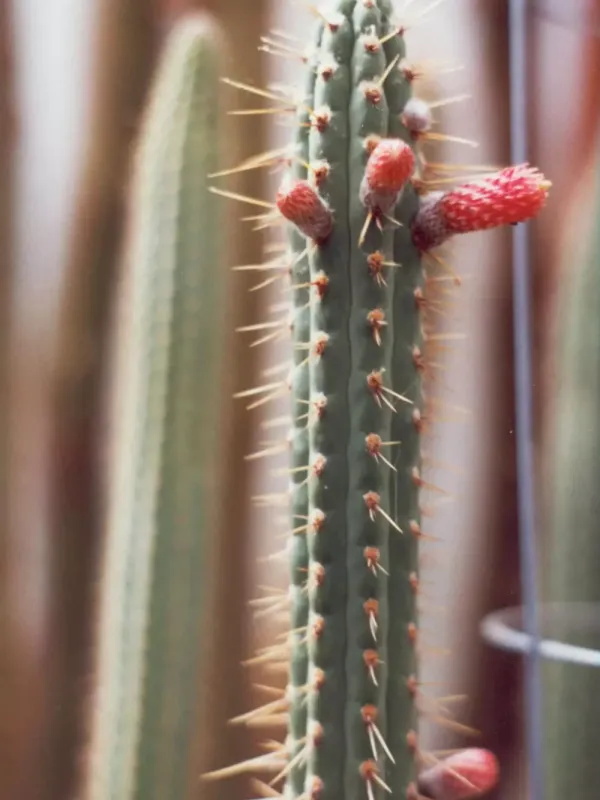
Description
Growing requirements
Cleistocactus laniceps is a perennial succulent plant belonging to the Cactaceae family. In its natural habitat, this species grows in the high-altitude regions of Bolivia, where it has adapted to intense solar radiation and rocky, mineral-rich soils.
The plant is characterized by a columnar growth habit, reaching significant height under proper care. Its stems are covered with dense spines, which provide natural protection against overheating and excessive moisture loss in arid climates.
For successful cultivation, well-draining substrates are essential. An ideal soil mix should consist of loam, coarse-grained sand, and fine gravel, which effectively prevents moisture stagnation around the root collar.
In a controlled environment, this cactus requires bright, diffused light. Direct sunlight is acceptable during morning and evening hours, but light shading is recommended during midday to avoid epidermis burns.
The temperature regime should be moderate during the growing season. In winter, the plant should be kept in cool conditions at 10–12°C, which is a critical requirement for a complete life cycle and subsequent blooming.
Main diseases and pests
The primary threat to this culture is root rot, which occurs due to waterlogged substrate or low temperatures combined with high air humidity levels.
Among pests, mealybugs and spider mites are the most common. These insects can quickly spread across the stems, sucking plant sap and damaging the epidermal tissues.
Disease prevention includes strict adherence to a watering schedule and ensuring adequate air circulation. Regular inspection of the plant for initial signs of infestation is highly recommended.
When pests are detected, systemic insecticides or acaricides should be used. It is important to perform the application according to instructions, avoiding high concentrations of chemicals on the soil.
The plant's immunity directly depends on the quality of light and substrate composition. Strong, healthy specimens are far more resistant to pest attacks than plants suffering from etiolation.