
Cleistocactus samaipatanus
Cleistocactus samaipatanus
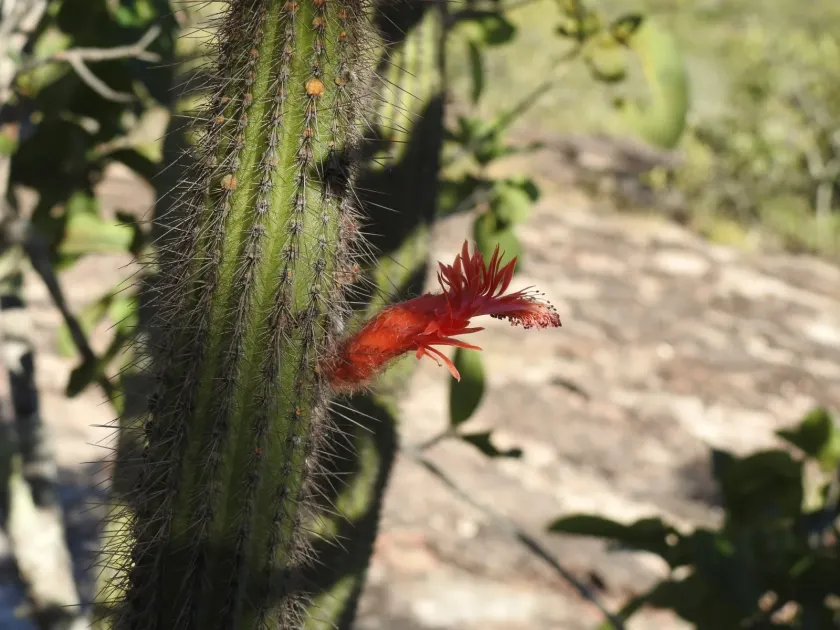
Description
Growing requirements
Cleistocactus samaipatanus is a member of the Cactaceae family, native to the arid valleys of Bolivia. It is widely recognized for its cylindrical, branching stems and vibrant floral display.
The plant exhibits a shrub-like growth habit, making it an excellent candidate for ornamental horticulture in temperate and arid regions where controlled environments are available.
Optimal light exposure is critical for the health of this species. It requires full sunlight to maintain its compact structure and ensure the development of its signature flowers.
The soil requirements are strict: a well-draining, gritty mix is essential to prevent water accumulation. Avoid heavy organic soils that retain moisture for too long.
Temperature management involves warm summer conditions with a distinct cool-down period during the winter, which is essential to trigger the plant's natural flowering cycle.
Main diseases and pests
The most common pests affecting this cactus are mealybugs and spider mites. These pests thrive in dry environments and can cause significant damage to the epidermis.
Root rot is the primary physiological threat, usually caused by improper irrigation habits or containers that lack adequate drainage holes at the base.
To maintain a healthy collection, implement a strict quarantine for new plants to ensure that no pests are introduced into the growing area.
Cultural control, such as manual removal of visible pests and maintaining proper air circulation, is the first line of defense for the grower.
For more severe infestations, the use of targeted insecticides or acaricides is recommended, ensuring they are suitable for use on succulent plant tissues.