
Catophractes
Catophractes
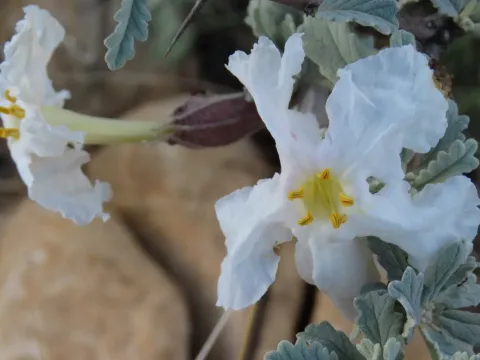
Catophractes, specifically the species Catophractes alexandri, is a resilient deciduous shrub belonging to the Bignoniaceae family. It is native to the arid landscapes of Southern Africa, commonly found in parts of the Kalahari Desert and Namibia.
What the section contains

Catophractes
The plant is biologically optimized for arid environments, featuring rigid, thorny branches that provide protection against herbivores. Its foliage is typically sparse, allowing the shrub to conserve vital moisture during intense drought periods.
To cultivate Catophractes successfully, one must provide a growing medium that mimics its natural habitat, which consists of well-draining, sandy or stony soils. It thrives in locations with high sunlight exposure and low atmospheric humidity.
Agricultural management is relatively simple as the plant has evolved to require minimal water and nutrients. The primary concern during cultivation is ensuring proper drainage, as root suffocation due to waterlogging is the most common cause of plant failure.
In terms of хозяйственное usage, Catophractes is highly regarded in xeriscaping and sustainable landscaping. Its stunning flowering stage makes it an excellent candidate for public parks and private gardens located in hot, dry climate zones where water conservation is essential.