
Callicoma
Callicoma
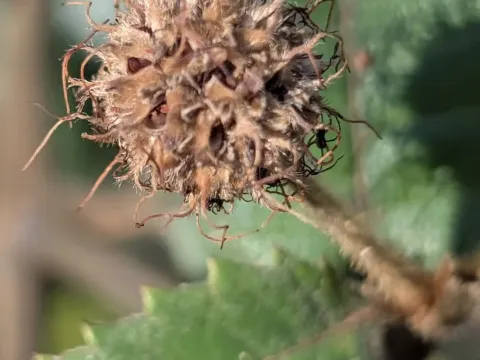
Callicoma, specifically the most common species Callicoma serratifolia, is an evergreen tree or shrub belonging to the Cunoniaceae family. In its natural habitat, the plant grows in the eastern regions of Australia, preferring moist forest areas and riverbanks.
What the section contains

Callicoma
For successful development, the crop requires consistently moist, fertile soil with good drainage. The plant does not tolerate drought well, so in regions with low air humidity, it requires regular watering and protection from direct, scorching sunlight.
Botanically, Callicoma is distinguished by its characteristic serrated leaves, which have a pronounced texture. During the flowering period, the plant is covered with fluffy, globular, yellowish inflorescences, resembling the flowers of a mimosa.
Climatic requirements are limited to zones with a moderately warm climate. The plant is sensitive to severe frost, so in regions with cold winters, growing it outdoors is difficult and requires the provision of reliable protection or covers.
The agricultural and ornamental use of Callicoma is primarily focused on gardening and landscape design. Thanks to its dense foliage and original inflorescences, it serves as an excellent addition for creating hedges or focal points in garden compositions.
Callicoma has a relatively high natural resistance to diseases, although under conditions of waterlogged soil or stagnant water, it may be susceptible to root rot. It is important to maintain a moisture balance and ensure adequate aeration of the root system.
Among pests for this crop, the greatest danger is posed by sap-sucking insects such as aphids or scale insects, which can damage young shoots. Regular inspection of the leaves allows for the timely detection of pest colonies.
Damage to the leaves is often triggered by excessive dryness of the air, which makes the plant susceptible to spider mites. Preventive treatments with fungicides and insecticides are recommended only when clear signs of infestation are present.
In its natural habitat, the plant may be exposed to specific local fungal pathogens, but these are rare in cultivation. The main method of control remains the maintenance of a healthy microclimate.
Proper pruning after flowering not only contributes to the formation of a beautiful crown but also helps remove damaged parts, reducing the risk of spreading potential infections in the garden.