
Callicoma serratifolia
Callicoma serratifolia
Description
Growing requirements
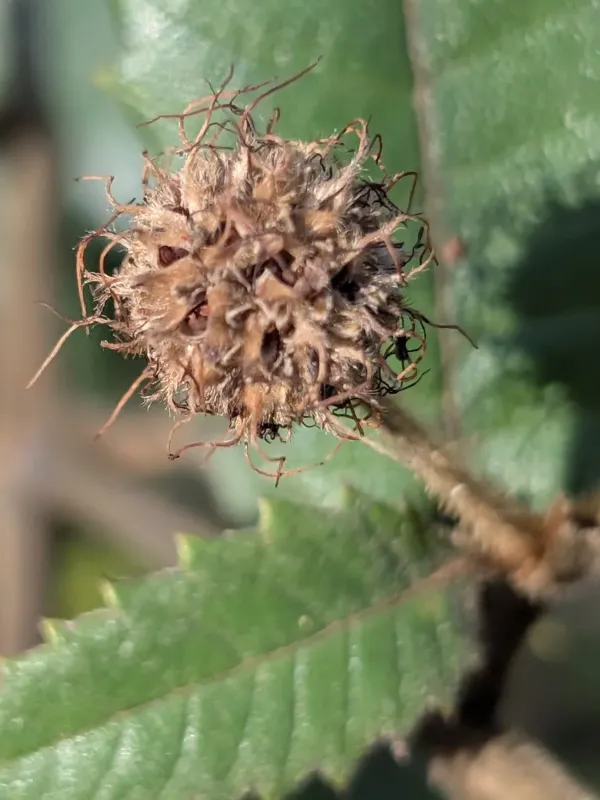
Callicoma serratifolia, commonly known as the Black Wattle, is a sturdy evergreen tree or shrub belonging to the Cunoniaceae family. It is native to the coastal rainforests of eastern Australia, where it thrives in moist environments.
The plant features distinctively serrated leaves and produces spherical, yellow-to-cream flowers that resemble small pom-poms. This characteristic inflorescence makes it a highly desirable species for ornamental landscaping.
Regarding soil requirements, this species prefers deep, nutrient-rich loamy soils with good drainage capabilities. It is notably moisture-loving and performs best in locations that mimic its natural riparian habitats.
Climate needs are specific: it is best suited for temperate to subtropical climates. While it can tolerate light frost once established, prolonged exposure to freezing temperatures should be avoided to prevent significant foliage damage.
Light requirements for this plant vary from partial shade to full sun. However, in regions with intense summer heat, afternoon shade is recommended to prevent leaf scorch and maintain optimal soil moisture levels.
Main diseases and pests
Common plant health threats include root rot, particularly in poorly drained soils where water stagnation occurs. Improving soil structure through the addition of organic matter is the best preventive measure.
Pest issues often involve scale insects and aphids, which feed on the sap of tender new growth. Integrated pest management, including the use of horticultural oils, is highly effective for control.
Fungal leaf spot can develop in stagnant air or during periods of excessive rainfall. Pruning to enhance airflow throughout the canopy significantly reduces the risk of these infections spreading.
Abiotic stress, such as severe drought or nutrient deficiency, can lead to yellowing leaves (chlorosis). Regular monitoring and adjusting the irrigation schedule are essential to maintain deep green foliage.
Always sanitize pruning tools between plants to prevent the accidental transmission of pathogens, especially if the collection includes a high density of plants in the same area.
Harvesting
The primary agricultural and horticultural use of Callicoma serratifolia is as a decorative element in public and private gardens. It serves well as a windbreak or a screen plant due to its dense, fast-growing foliage.
While not a traditional timber crop, the wood is noted for its hardness and was historically used by Indigenous Australians for various tools and structural purposes. Today, its value remains almost exclusively aesthetic.
Propagation is generally achieved through seeds or semi-hardwood cuttings. Cuttings require a high-humidity environment and consistent moisture to establish a robust root system before transplanting into the open ground.
Maintenance includes regular pruning to manage its size and encourage denser growth. This is particularly important when the plant is used for formal hedging, where structural integrity is a key visual requirement.
Fertilization with a balanced, slow-release fertilizer during the growing season supports healthy development. Care should be taken not to over-fertilize, as this may lead to excessive vegetative growth at the expense of flowering.