
Bulbophyllum wendlandianum
Bulbophyllum wendlandianum
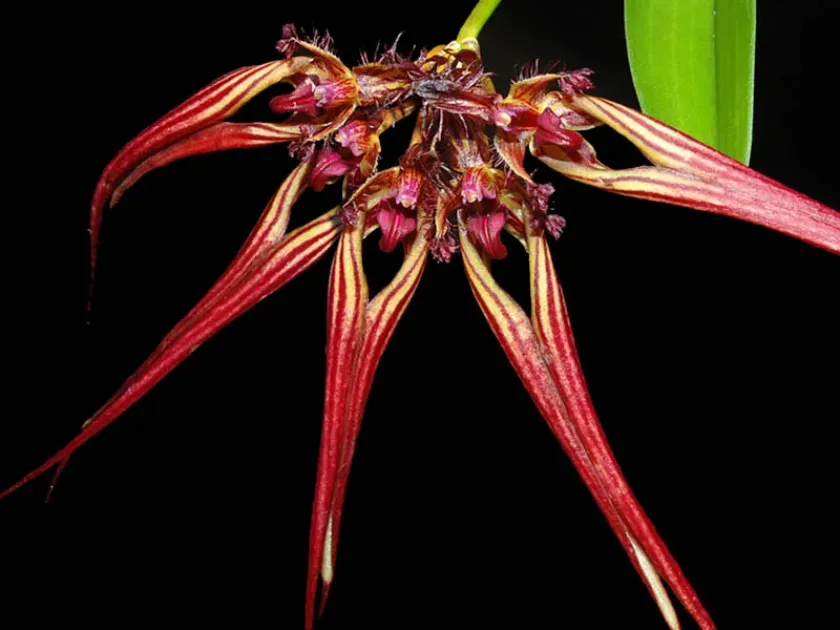
Description
Growing requirements
Bulbophyllum wendlandianum is a fascinating member of the Orchidaceae family. This epiphytic species originates from the high-altitude forests of Myanmar, where it thrives in conditions characterized by high humidity and moderate temperatures throughout the year.
To cultivate this species successfully, growers must maintain a humidity level between 75% and 85%. Furthermore, consistent air movement is essential to prevent stagnant pockets of moisture, which can lead to rapid fungal proliferation around the rhizome and pseudobulbs.
The choice of growing medium is critical for this crop. A loose mixture consisting of fine-grade pine bark, charcoal, and perlite is recommended. This ensures that the roots receive ample aeration while retaining enough moisture to prevent the pseudobulbs from shriveling.
Regarding light requirements, the plant prefers bright, filtered light. During the peak summer months, shade cloth is necessary to prevent leaf scorch. If the light intensity is too low, the plant will fail to bloom, while excessive light leads to stunted growth and yellowing of the leaves.
Temperature management requires a balance: daytime temperatures should ideally hover around +24°C, with a slight drop to +17°C at night. This diurnal temperature fluctuation is a key agronomic factor that triggers the natural development of the inflorescences.
Main diseases and pests
Pest pressure is a significant concern in the cultivation of Bulbophyllum wendlandianum. Spider mites are particularly problematic during the drier winter months, often colonizing the underside of the leaves and causing significant loss of plant vigor.
Fungal pathogens such as Rhizoctonia and various soft rot bacteria pose a persistent threat, especially if the substrate remains waterlogged. Regular application of preventative fungicides and ensuring that the plant dries out slightly between waterings are the standard protocols for mitigating these risks.