
Bulbophyllum acutiflorum
Bulbophyllum acutiflorum
Description
Growing requirements
Bulbophyllum acutiflorum belongs to the diverse family Orchidaceae. This species is an epiphytic orchid native to the tropical forests of Southeast Asia, where it thrives in humid and stable climate conditions.
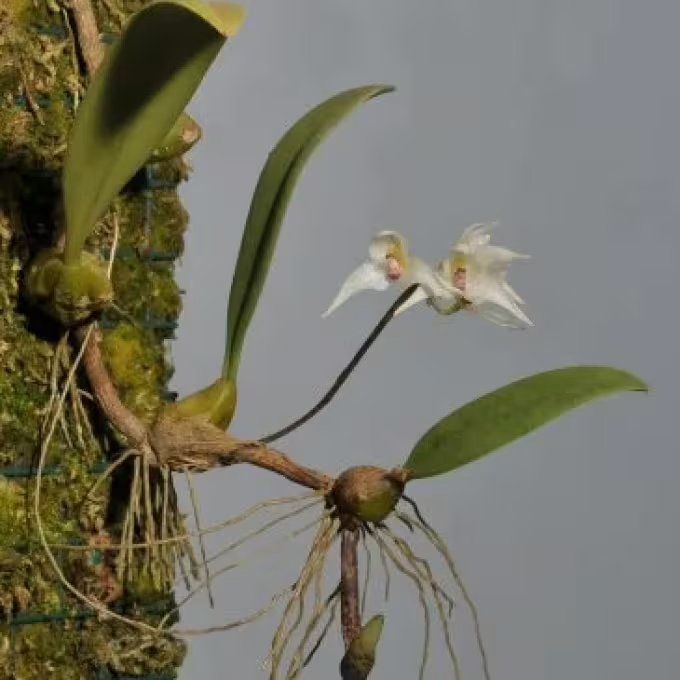
The plant features a sympodial growth habit, characteristic of many epiphytic orchids. It develops pseudobulbs that serve as storage organs, allowing the plant to survive temporary water scarcity by storing moisture and nutrients effectively.
Optimal cultivation requires high air humidity levels, ideally maintained between 65% and 75%. Temperatures should be kept consistently between 20°C and 25°C to simulate its natural habitat and promote healthy vegetative growth throughout the year.
The choice of substrate is critical; it must be highly porous to ensure rapid drainage. A mix of pine bark, perlite, and dried sphagnum moss is recommended to prevent waterlogging, which is detrimental to the orchid's specialized root system.
In terms of economic use, this species is primarily cultivated for scientific research and ornamental purposes. It is a highly valued specimen in botanical collections and specialized nurseries focusing on the preservation and propagation of rare orchid species.
Main diseases and pests
Common pathological threats include various types of root and bulb rot caused by pathogenic fungi such as Fusarium or Rhizoctonia. These issues are almost exclusively associated with improper watering practices and poor air circulation within the greenhouse environment.
Regarding pest pressure, spider mites and aphids are the most frequently encountered threats. Regular monitoring and the application of integrated pest management strategies are essential to ensure the longevity and health of the orchid in an artificial environment.