
Bulbophyllum butingui
Bulbophyllum butingui
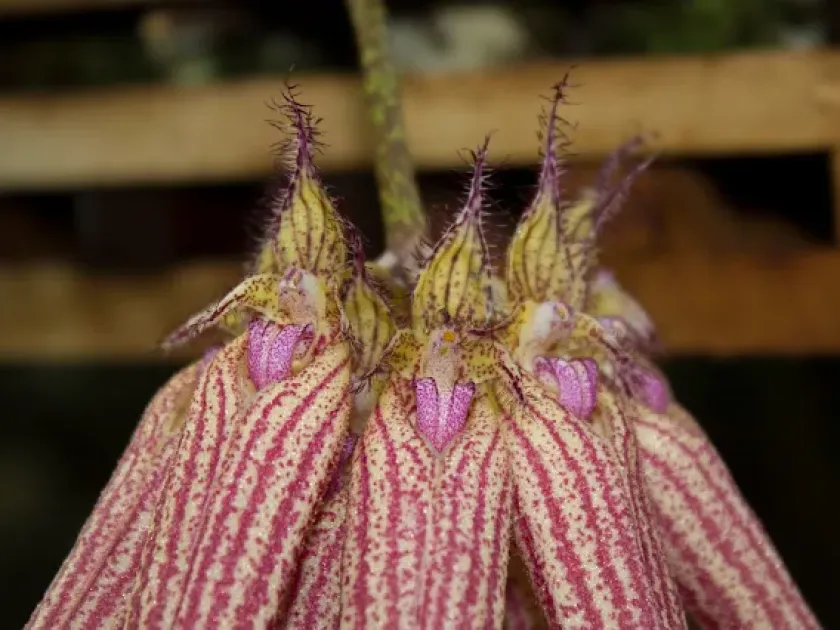
Description
Growing requirements
Bulbophyllum butingui is a fascinating member of the Orchidaceae family, specifically recognized for its epiphytic growth habit. In its native habitat, it thrives in high-humidity environments, requiring consistent moisture levels of at least 70% to maintain its physiological health.
The temperature regime for this species should mimic tropical conditions, ideally ranging from 22°C to 26°C during the day. Providing a distinct night-time temperature drop is essential for the plant to successfully complete its growth cycles and initiate flowering.
Regarding soil requirements, this orchid does not grow in standard garden soil. It thrives in a specialized mix consisting of pine bark, charcoal, and perlite, which ensures excellent drainage and allows the roots to access necessary airflow.
Light intensity is critical for the development of Bulbophyllum butingui. It requires bright, filtered light to prevent sunburn while ensuring the leaves receive sufficient energy for photosynthesis. Placing the plant in a shaded area of a bright greenhouse is recommended.
Irrigation practices must be precise. The substrate should be allowed to dry slightly between waterings, ensuring that the root system never stays waterlogged, as this is the most common cause of failure in domestic orchid cultivation.
Main diseases and pests
Bacterial and fungal rot are the most significant threats to Bulbophyllum butingui, especially when ventilation is poor. High humidity combined with stagnant air creates the perfect breeding ground for pathogens that cause rapid pseudobulb decay.
Common orchid pests, such as spider mites and scale insects, frequently target this species. Spider mites are particularly problematic during dry spells, feeding on the undersides of leaves and weakening the plant's structural integrity.
Scale insects can be difficult to manage due to their protective coverings. Manual removal using a soft brush dipped in alcohol, followed by the application of horticultural oils or systemic insecticides, is often required for effective control.
If the plant exhibits yellowing leaves or shriveled pseudobulbs, it is often a sign of root stress, which can be caused by either over-fertilization or substrate compaction. Regular repotting is necessary to maintain root health.
By monitoring the plant closely and ensuring a good balance of air circulation and moisture, growers can mitigate the risks of infestation and disease. Early intervention is the key to maintaining a healthy and thriving collection of Bulbophyllum species.