
Bulbophyllum vaginatum
Bulbophyllum vaginatum
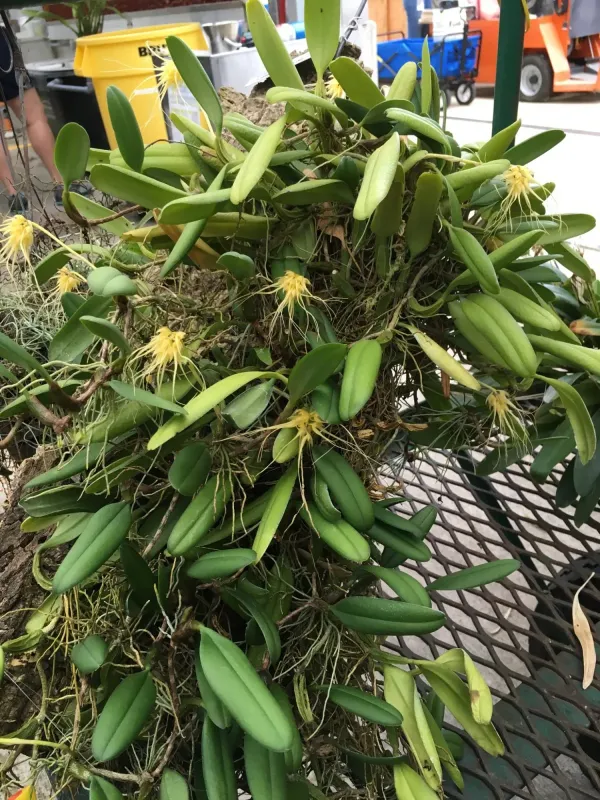
Description
Growing requirements
Bulbophyllum vaginatum is an epiphytic orchid species belonging to the Orchidaceae family, native to the tropical rainforests of Southeast Asia. This species is highly valued for its unique inflorescences and specific growth habits in horticultural collections.
The plant requires high humidity levels, consistently maintained between 70% and 80%, to mimic its natural environment. Stable temperatures ranging from 22 to 28 degrees Celsius are ideal for promoting healthy growth throughout the vegetation period.
Cultivation should ideally take place in a coarse substrate consisting of orchid bark, charcoal, and perlite to ensure excellent drainage. As an epiphyte, the root system requires significant airflow, which is achieved by using breathable pots or wooden mounting blocks.
Light intensity is critical; the species thrives in bright, filtered light. Direct tropical sun will cause severe leaf burn, therefore providing appropriate shade cloth or greenhouse glass protection is an essential part of the agricultural technology for this crop.
Watering must be frequent but careful, ensuring that the substrate stays moist without being waterlogged. Using high-quality filtered water is recommended, as this orchid is sensitive to mineral buildup from fertilizers and tap water impurities.
Main diseases and pests
The most common threats to Bulbophyllum vaginatum are fungal and bacterial rots caused by poor air circulation and excessive substrate moisture. If the roots remain saturated for too long, they quickly succumb to decay, leading to plant death.
Spider mites are the primary pest concern, particularly during seasons when indoor humidity fluctuates significantly. These pests feed on cell sap, causing leaves to yellow and wilt, which can eventually stunt the entire plant's development.
Scale insects and mealybugs represent persistent threats that hide within the sheaths of the pseudobulbs. Regular manual inspections and the application of horticultural oils or systemic insecticides are required to manage these infestations effectively.
Thrips may occasionally attack flower spikes, causing cosmetic damage and preventing the buds from opening properly. Integrated pest management strategies, including the use of sticky traps, help in identifying and mitigating these outbreaks early.
Prevention remains the most effective form of protection against all threats. Maintaining optimal sanitary conditions, proper spacing between plants, and ensuring robust ventilation are the fundamental principles of successful cultivation for this orchid variety.