
Bulbophyllum trigonopus
Bulbophyllum trigonopus
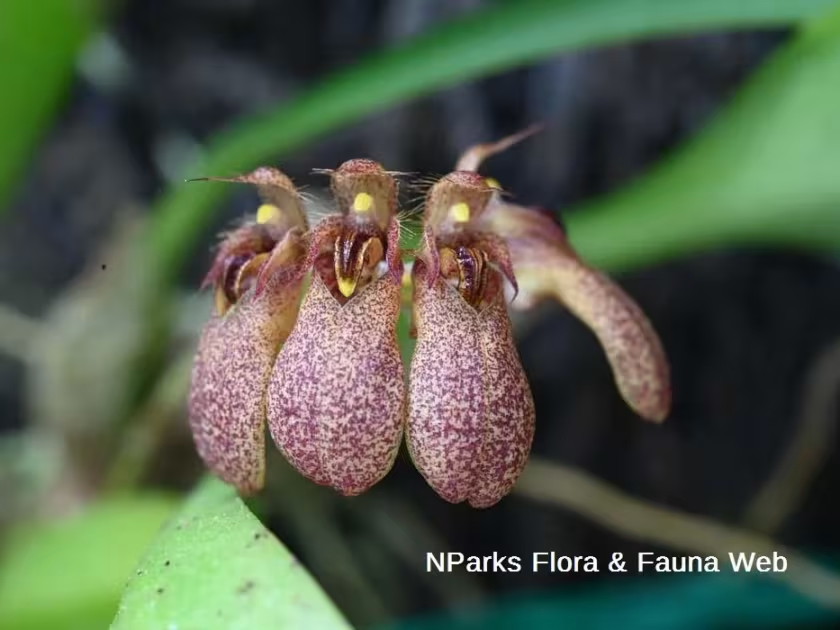
Description
Growing requirements
Bulbophyllum trigonopus is an epiphytic orchid species belonging to the Orchidaceae family, native to the tropical regions of Southeast Asia. This species is highly valued in botanical collections for its unique floral morphology and distinct growth habit.
To cultivate this crop effectively, growers must mimic its natural high-humidity, tropical rainforest environment. Maintaining relative humidity levels between 65% and 85% is essential for healthy foliage development and robust pseudo-bulb formation.
The optimal temperature range for this species is 20°C to 26°C during the day, with a slight nocturnal drop to encourage healthy physiological processes. Excessive heat during the day should be balanced with increased ventilation.
The substrate must provide exceptional aeration and drainage. A mix consisting of medium-grade fir bark, charcoal, and a small amount of perlite is commonly used to ensure that the roots do not remain waterlogged, which is a major cause of mortality.
Fertilization should be applied consistently during the active growth period, using a balanced, water-soluble orchid fertilizer at half-strength. Diligent flushing of the substrate with clean water is necessary to prevent salt accumulation.
Main diseases and pests
The most common biological threats to Bulbophyllum trigonopus include fungal pathogens such as Rhizoctonia and Pythium, which thrive in stagnant, excessively wet growing conditions.
Insect pests, specifically spider mites and scale insects, frequently target this species. Spider mites flourish in dry air, causing stippling on the leaves, while scales hide in crevices and under leaves, sapping the plant's vitality.
Integrated pest management strategies should be prioritized, focusing on cultural practices like improved airflow and quarantine of new stock to prevent infestations.
Chemical treatments should be used sparingly and only after correct identification of the pest, as orchids are sensitive to certain harsh solvents and surfactants present in some pesticides.
Preventative hygiene, such as disinfecting pruning tools between plants, is crucial in professional horticultural operations to prevent the spread of systemic diseases.