
Bulbophyllum thaiorum
Bulbophyllum thaiorum
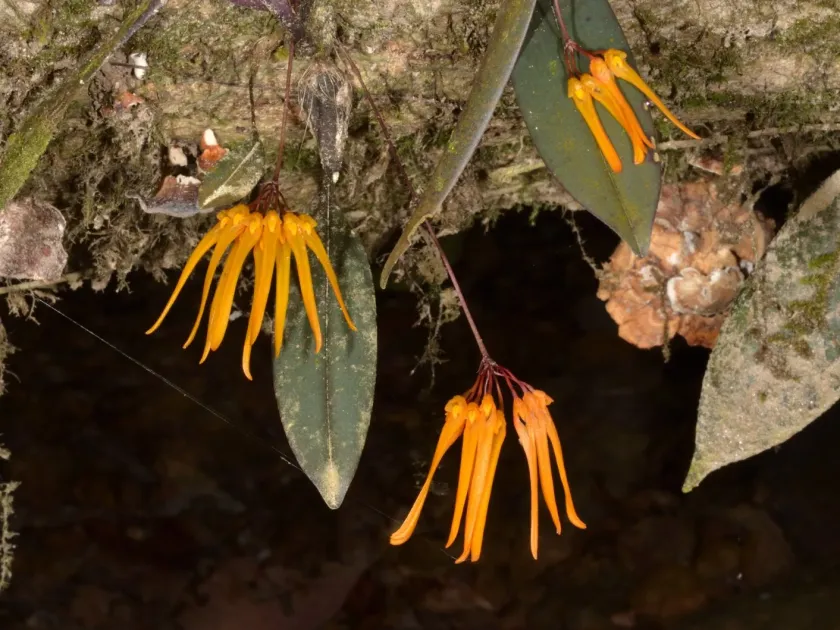
Description
Growing requirements
Bulbophyllum thaiorum is a unique orchid species belonging to the Orchidaceae family. Native to the tropical forests of Thailand and surrounding regions, this species is strictly epiphytic, naturally growing on tree bark and mossy branches where humidity is consistently high.
Cultivating this plant requires a controlled environment that mimics its natural tropical habitat. It thrives at temperatures between +22°C and +28°C. Providing a slight drop in nighttime temperature is a necessary trigger for healthy metabolic cycles and future flowering.
Humidity management is the most critical aspect of agrotechnology for this species. Sustaining humidity levels between 70% and 85% is essential to prevent desiccation of the pseudobulbs. In dry climates, the use of ultrasonic humidifiers or enclosed vivariums is highly recommended.
The substrate must prioritize aeration over water retention. A coarse mix of pine bark, charcoal, and perlite is ideal for root development. Since the roots require constant access to oxygen, they should never be kept in heavy or compacted potting media.
Light requirements for Bulbophyllum thaiorum involve filtered, bright light. Direct sunlight can severely damage the foliage, leading to yellowing or necrosis. A shaded greenhouse environment or a location behind sheer curtains is optimal to provide sufficient light intensity without overheating the plant.
Main diseases and pests
Bacterial and fungal rot are the most significant threats to Bulbophyllum thaiorum, particularly when air circulation is inadequate. Prevention through proper spacing and regular preventive spraying with systemic fungicides is crucial for maintaining plant vigor.
Spider mites often attack the plant during periods of low humidity. These pests feed on plant sap, causing the leaves to lose color and eventually drop. Immediate treatment with specialized miticides is necessary to halt the infestation before it spreads.
Scale insects represent another common pest that adheres to the pseudobulbs and leaves, weakening the plant. Mechanical removal combined with horticultural oils or contact insecticides effectively controls these stubborn colonies.
Fungal leaf spot diseases may appear if water accumulates on the foliage for extended periods. Ensuring that the foliage is dry by nightfall and providing gentle airflow significantly reduces the risk of such infections.
Routine hygiene is the foundation of successful cultivation. All pruning and dividing tools must be disinfected between uses to prevent the transmission of latent pathogens between healthy specimens within a collection.