
Bulbophyllum sterile
Bulbophyllum sterile
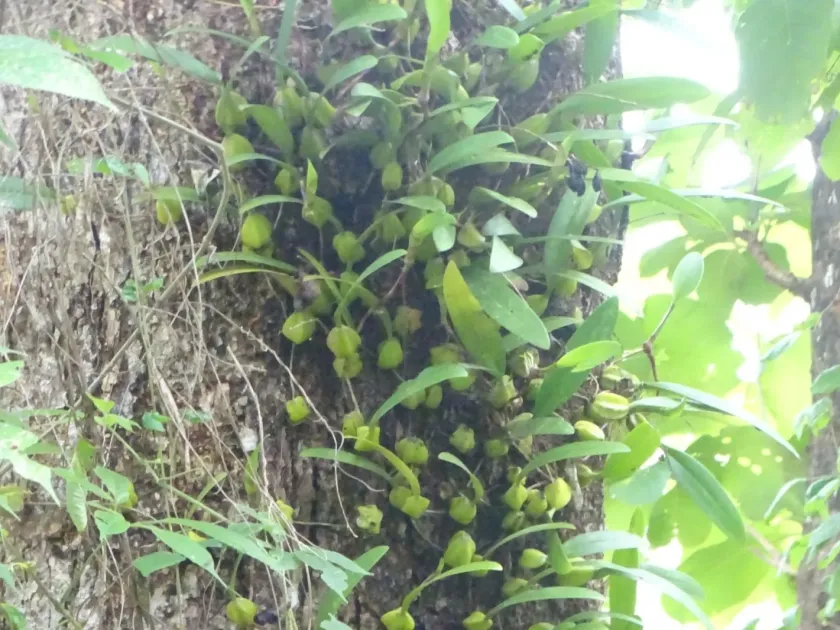
Description
Growing requirements
Bulbophyllum sterile is a distinctive species belonging to the Orchidaceae family. As an epiphyte, this plant naturally thrives on tree branches in tropical Asian habitats, specifically within regions of India and Nepal, utilizing its specialized root system to absorb nutrients from the atmosphere.
The climate in its native habitat is characterized by high humidity and consistent temperatures. When cultivated in greenhouses, it requires a stable environment where temperatures remain between 20°C and 25°C, ensuring that the plant avoids the stress of extreme environmental fluctuations.
Light requirements for Bulbophyllum sterile include bright, indirect lighting. Direct sunlight can easily burn the foliage, while insufficient light may result in the failure of the pseudobulbs to develop correctly, leading to stunted overall growth.
The medium for growth must be highly porous. Cultivation on mounting boards or in specialized open baskets filled with pine bark is preferred. This setup allows for excellent air circulation around the roots, preventing suffocation and rot.
Watering should be frequent but mindful of the substrate's drainage capabilities. The plant benefits from high ambient humidity, often requiring daily misting or the use of automated humidification systems to mimic the moisture levels of its native forest canopy.
Main diseases and pests
Major threats to Bulbophyllum sterile include various forms of fungal rot, which often occur when moisture management is poor. Overwatering, combined with stagnant air, creates an ideal environment for pathogenic fungi to colonize the pseudobulbs.
Spider mites are the most common pest observed in indoor cultivation settings. They thrive in dry conditions and can cause significant damage to the epidermis of the leaves, resulting in a yellowed, mottled appearance and decreased photosynthetic efficiency.
Scale insects and mealybugs also pose a significant risk by feeding on plant sap. These pests can be difficult to manage due to their protective coverings and tendency to hide in the tight crevices between the leaves and the base of the pseudobulbs.
Control strategies involve a combination of manual removal and the application of targeted horticultural oils or systemic insecticides. Regular inspection of the plant is vital to detect infestations before they spread across the entire collection.
To ensure long-term health, growers must prioritize sanitation, including the sterilization of tools used for propagation or pruning. Maintaining adequate airflow around the plant is the most effective preventative measure against both diseases and pest proliferation.