
Bulbophyllum schinzianum
Bulbophyllum schinzianum
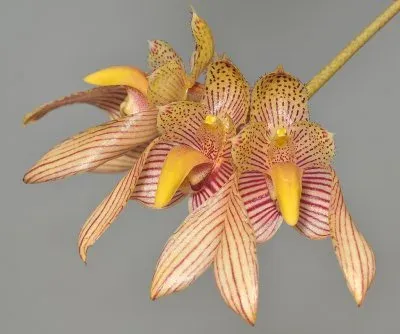
Description
Growing requirements
Bulbophyllum schinzianum is an epiphytic species belonging to the Orchidaceae family, native to the tropical regions of Africa. This plant is prized by collectors for its unique morphological structure and specialized growth habit, which involves creeping rhizomes.
To cultivate this species successfully, one must maintain a consistent tropical environment. Temperatures should ideally range between 20°C and 25°C. Stability is key, as the plant reacts sensitively to rapid environmental changes or cold drafts during its active growing phase.
The substrate must mimic the tree bark environment where the plant occurs naturally. A mixture consisting primarily of fine-grade orchid bark, perlite, and charcoal is recommended. This composition ensures the necessary drainage while providing adequate moisture retention for the roots.
Light intensity plays a critical role in the physiological health of the orchid. Bulbophyllum schinzianum prefers bright, filtered light. Exposure to direct afternoon sunlight can lead to leaf scorching, whereas insufficient light prevents the plant from producing new pseudobulbs.
Humidity management is essential for this species, requiring levels between 70% and 80%. High humidity should be paired with excellent air circulation to prevent the stagnation of water, which is a common trigger for various physiological and pathological disorders.
Main diseases and pests
Fungal infections are the most frequent threats, primarily caused by excessive moisture levels in the substrate. Signs include discolored roots and soft, water-soaked pseudobulbs, which require immediate sanitation and a complete replacement of the growing media.
Scale insects and mealybugs represent the primary pest risks. These sap-sucking insects can rapidly weaken the plant. Mechanical removal combined with the application of appropriate horticultural oils or systemic insecticides is the standard treatment approach for infestations.
Spider mites may manifest during drier periods, particularly if the plant is kept in an environment with inadequate ventilation. These pests attack the foliage, leading to yellowing and premature leaf drop, which significantly impacts the plant's overall photosynthetic capacity.
Bacterial soft rot can occur if water is trapped within the leaf axils or near the rhizome. Proper watering techniques, such as watering early in the day to allow foliage to dry before nightfall, are crucial strategies to mitigate the risk of bacterial proliferation.
Nutritional stress often arises from over-fertilization or the use of improper salt concentrations. It is recommended to use specialized orchid fertilizer at a quarter of the suggested strength, ensuring that the roots are flushed with fresh water periodically to prevent salt buildup.