
Bulbophyllum pachyrachis
Bulbophyllum pachyrachis
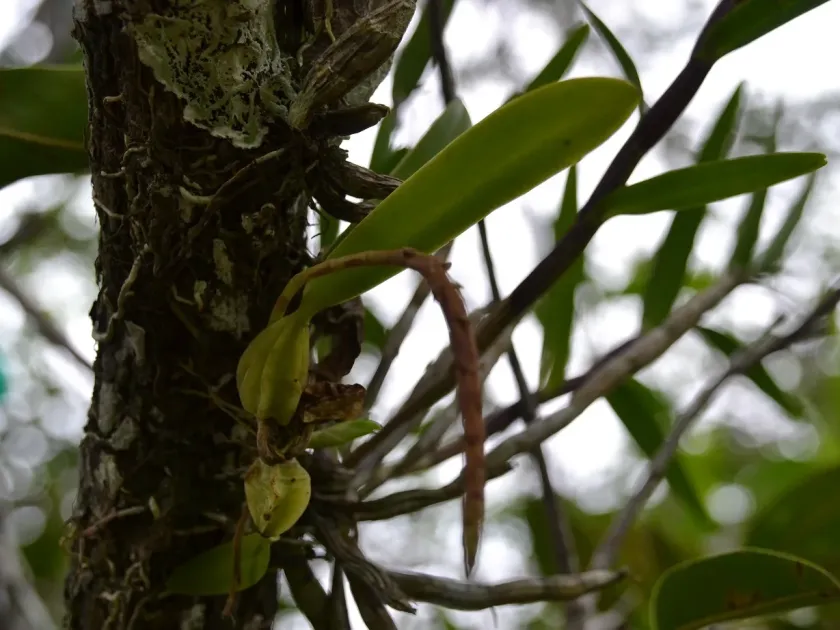
Description
Growing requirements
Bulbophyllum pachyrachis is a fascinating species belonging to the Orchidaceae family. It is an epiphytic orchid native to the tropical forests of Central and South America, where it thrives in humid environments ranging from Mexico to the Caribbean islands.
This species requires a warm and humid environment, with optimal daytime temperatures ranging from 20°C to 28°C. Good air circulation is vital for this orchid, as it helps to regulate moisture levels and prevents the stagnation of air that can foster various diseases.
When it comes to the medium, standard potting soil is not suitable. Because it is an epiphyte, Bulbophyllum pachyrachis should be mounted on cork or grown in baskets filled with large-grade pine bark, charcoal, and sphagnum moss to ensure roots remain aerated.
Lighting should be bright but filtered. Direct sunlight is harmful to this plant, often leading to scorched pseudobulbs and leaf damage. Shading the orchid during the brightest parts of the day is highly recommended to maintain its health and aesthetic appearance.
Watering practices must be adjusted based on the growth cycle. During active growth, the medium should be kept consistently moist. However, in the cooler winter months, it is essential to allow the medium to dry out slightly between waterings to prevent root rot.
Main diseases and pests
The primary threats to this orchid are fungal and bacterial infections, usually triggered by improper watering or poor ventilation. Overwatering can lead to rapid decay of the root system, which is difficult to reverse once the damage has reached the pseudobulbs.
Spider mites are a significant pest concern, especially when the surrounding humidity is insufficient. These pests thrive in dry environments and can quickly debilitate the plant by feeding on the sap, necessitating the use of targeted acaricides or increased misting.
Mealybugs and scale insects also frequently attack the plant, hiding in leaf axils or under the bracts. Manual removal combined with systemic insecticidal treatments is often required to effectively control an infestation before it spreads to other specimens.
Viral infections represent an irreversible threat to the plant. Transmission often occurs through contaminated cutting tools, making the strict sterilization of pruning equipment after each use a non-negotiable part of the plant care routine.
Maintaining a clean and hygienic growing area is essential for prevention. Removing dead tissue, ensuring proper drainage, and monitoring for early signs of distress are the best ways to protect the plant from becoming a host to harmful pathogens.