
Bulbophyllum membranaceum
Bulbophyllum membranaceum
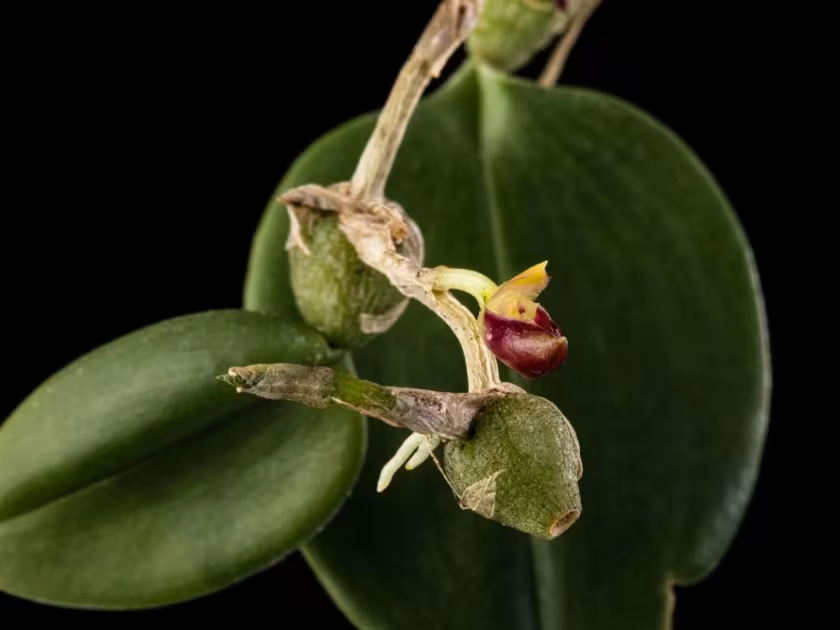
Description
Growing requirements
Bulbophyllum membranaceum is an epiphytic species belonging to the Orchidaceae family. Native to the tropical rainforests of Southeast Asia, this culture grows on tree bark, utilizing high atmospheric humidity and specialized root structures for survival.
Successful cultivation of this orchid requires an environment that mimics its natural habitat. High relative humidity, consistently maintained above 70%, is essential for the healthy development of its delicate vegetative parts.
The substrate must be highly permeable, typically consisting of fine pine bark, perlite, and charcoal. This mix ensures proper drainage and prevents the roots from suffocating in soggy conditions, which is crucial for all epiphytes.
Light requirements for this species involve filtered or dappled sunlight. Direct exposure to intense rays can damage the leaves, while insufficient light levels may inhibit the plant from entering its natural flowering cycle.
The temperature should be kept in a moderate range, ideally between 20 and 26 degrees Celsius. A slight temperature drop during the night is recommended to mimic natural diurnal cycles, which helps maintain the plant's metabolism.
Main diseases and pests
The most significant threat to Bulbophyllum membranaceum is root rot caused by improper watering practices. Keeping the substrate too wet for extended periods creates an environment conducive to harmful fungal and bacterial pathogens.
Spider mites are the most common pests, especially when the ambient humidity drops below optimal levels. These small pests can quickly multiply and cause irreversible damage to the plant tissues if left unchecked.
Scale insects can also infest the plant, hiding in the junctions of leaves and pseudobulbs. Manual removal combined with the application of systemic insecticides is often necessary to eradicate these persistent pests.
Maintaining air circulation is a key preventive measure against common diseases. Stagnant air promotes the growth of mold and mildew on the surface of leaves and the potting medium.
Regular sanitation of the growing area and the use of sterile pruning tools during maintenance are vital strategies to ensure the longevity of the plant and prevent the spread of diseases within the collection.