
Bulbophyllum medusae
Bulbophyllum medusae
Description
Growing requirements
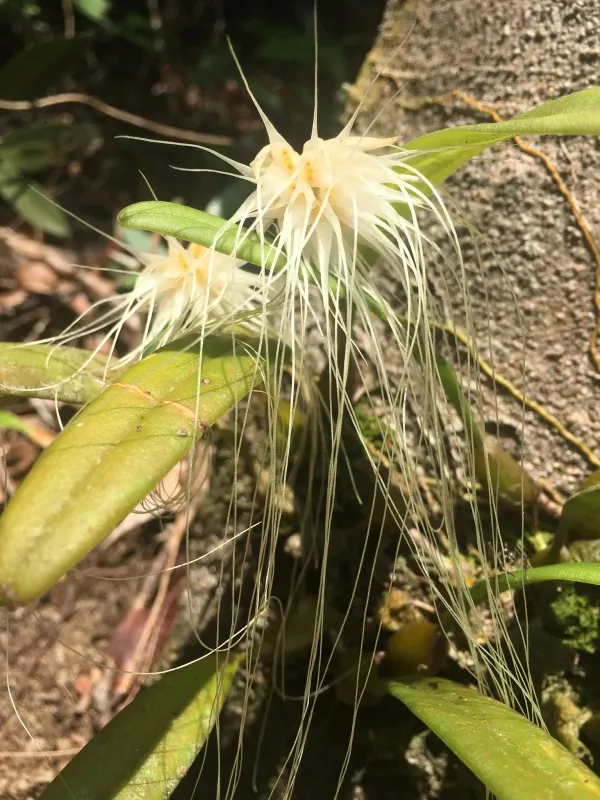
Bulbophyllum medusae is a fascinating epiphytic orchid belonging to the Orchidaceae family, native to the tropical rainforests of Southeast Asia. This species is highly prized by collectors for its unique, brush-like inflorescences that resemble the hair of Medusa, making it a specialized ornamental crop.
Successful cultivation of this orchid requires strict adherence to high humidity levels, ideally ranging between 70% and 90%. In greenhouse conditions, automated misting systems are essential to mimic the moist tropical environment necessary for the plant's health and vigorous growth.
Temperature management is critical for the long-term success of Bulbophyllum medusae. The plant thrives in intermediate temperatures, with daytime ranges between 22°C and 26°C and slightly cooler nights. Maintaining this consistent climate is vital to prevent heat stress or metabolic slowdown.
The choice of substrate is a fundamental aspect of its agronomy. As an epiphyte, it requires excellent root aeration; therefore, it is best grown on wooden mounts, tree fern slabs, or in very coarse bark mixes that allow for rapid drainage and prevent water accumulation around the rhizomes.
Light requirements for this species are relatively specific: it demands bright, indirect light. Intense midday sun can quickly damage the foliage, leading to tissue burn, while insufficient light levels will hinder the plant's ability to produce flowers and weaken the pseudobulbs.
Main diseases and pests
The most significant threat to Bulbophyllum medusae is root rot caused by poor ventilation and waterlogged substrate. Because the roots of this epiphyte require rapid drying after moisture exposure, any stagnation of water significantly increases the risk of fungal pathogens.
Common orchid pests, particularly spider mites and mealybugs, represent a major challenge. These insects tend to hide in the tight spaces between pseudobulbs and leaf bases, necessitating regular monitoring and the prompt use of targeted, orchid-safe treatments.
Bacterial soft rot is another danger, often triggered by water collecting in the center of new growth or during periods of high humidity combined with stagnant air. Maintaining good air circulation is the most effective preventative measure against these bacterial infections.
Mineral salt buildup from hard water or excessive fertilization can cause root tips to die back. Growers should use high-quality, low-dissolved-solids water and flush the media regularly to prevent the accumulation of toxic compounds in the root zone.
Physical trauma during repotting can lead to secondary infections. It is recommended to use sanitized cutting tools when pruning or mounting, and to ensure that the plant has sufficient time to recover in a stable environment before moving it to a different location.