
Bulbophyllum maxillare
Bulbophyllum maxillare
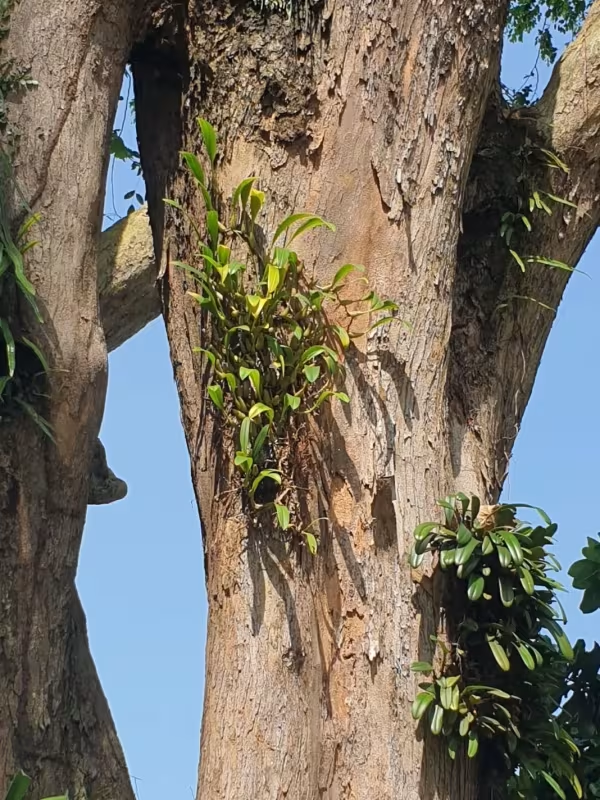
Description
Growing requirements
Bulbophyllum maxillare is an epiphytic orchid species belonging to the Orchidaceae family. Native to the tropical rainforests of Southeast Asia, this species thrives in humid, shaded forest environments, where it grows attached to tree branches and trunks as part of the diverse canopy ecosystem.
The botanical structure of the plant features small pseudobulbs emerging from a creeping rhizome, each supporting a single, thick, leathery leaf. The flowers are notable for their unique morphology, often displaying a hinged lip that moves with the slightest breeze to attract specific pollinators.
Cultivation requirements involve maintaining a constant warm climate with temperatures typically ranging between 20 and 26 degrees Celsius. High atmospheric humidity is essential for the healthy development of this orchid, often necessitating the use of humidifiers in indoor growing setups.
The planting substrate should prioritize maximum drainage and air circulation. Mounting the orchid on bark slabs or placing it in perforated baskets filled with a mix of pine bark, charcoal, and sphagnum moss helps prevent the roots from suffocating in stagnant moisture.
Lighting should be bright but filtered, avoiding intense direct sunlight which can scorch the foliage. Consistent, gentle watering is necessary, allowing the media to reach a slightly dry state between sessions to maintain root health and prevent premature breakdown of the potting material.
Main diseases and pests
Spider mites represent a significant threat to Bulbophyllum maxillare, particularly in lower humidity environments. These pests reside on the underside of leaves, causing yellowing and tissue damage that compromises the plant's photosynthetic efficiency.
Root and rhizome rot are the most common pathological issues associated with improper watering and poor substrate drainage. When the roots are constantly submerged in water, they become prone to colonization by opportunistic fungi, leading to a rapid decline in plant vitality.
Scale insects can establish colonies on the pseudobulbs and leaves, feeding on the sap and secreting honeydew, which subsequently attracts sooty mold. Physical removal or specialized systemic insecticides are recommended to control these infestations effectively.
Bacterial soft rot can occur if water remains trapped in the leaf axils or growth points for extended periods. Maintaining good air movement is a primary preventive measure against the development of these rapidly spreading and often fatal bacterial infections.
Nutrient deficiency or toxicity from poor water quality can weaken the plant's immune system, leaving it susceptible to various secondary pests. Using purified, low-mineral water is highly recommended to ensure the long-term health and consistent growth of this orchid species.