
Bulbophyllum kubahense
Bulbophyllum kubahense
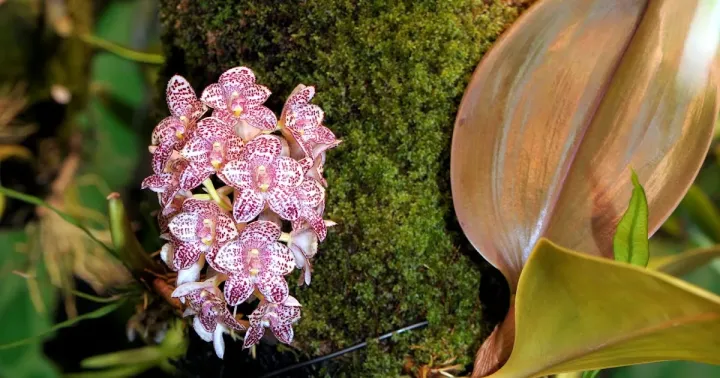
Description
Growing requirements
Bulbophyllum kubahense is a specialized species within the Orchidaceae family. As an epiphyte, it has evolved to thrive in tropical habitats, anchoring itself to tree bark and extracting moisture and nutrients from the humid forest environment.
High relative humidity is the most critical factor for the successful cultivation of this species. Levels should consistently stay between 70 and 85 percent to prevent the dehydration of the pseudobulbs, which serve as the plant's primary water storage organs.
The plant requires filtered, bright light to perform photosynthesis without causing oxidative stress or leaf scorching. In indoor environments, this is best achieved through semi-shaded spots or the use of specialized full-spectrum LED lighting.
Temperature management requires a diurnal cycle where the daytime temperature remains between 22-26 degrees Celsius, followed by a cooler night period. This temperature shift is essential to initiate the reproductive phase and produce healthy blooms.
The growing medium must be highly porous and inorganic-heavy to ensure optimal oxygen exchange. A traditional mix of fir bark, perlite, and charcoal is recommended to provide stability while maintaining the necessary air gaps around the sensitive roots.
Main diseases and pests
Fungal pathogens represent the most significant threat to the overall health of the collection. These issues are often exacerbated by poor air circulation or over-saturation of the potting mix, leading to rapid decay of the root system.
Insects like scale and mites are common pests that target the foliage of the plant. Regular monitoring of the underside of leaves and prompt intervention with insecticidal soaps or horticultural oils can help manage these infestations effectively.
Nutrient deficiency may appear as stunted growth or chlorosis of the older bulbs. To mitigate this, a balanced, dilute liquid fertilizer should be applied periodically during the active growing season, following the 'weakly, weekly' method.
Water quality is a key preventative measure against long-term physiological decline. High mineral content in tap water can lead to root toxicity; therefore, the use of purified or rainwater is highly advised for this specific orchid variety.
Repotting should be conducted every two years to ensure the substrate does not decompose into a dense, water-retaining mass. This practice helps maintain the necessary drainage and promotes vigorous growth for the next cycle.