
Bulbophyllum keekee
Bulbophyllum keekee
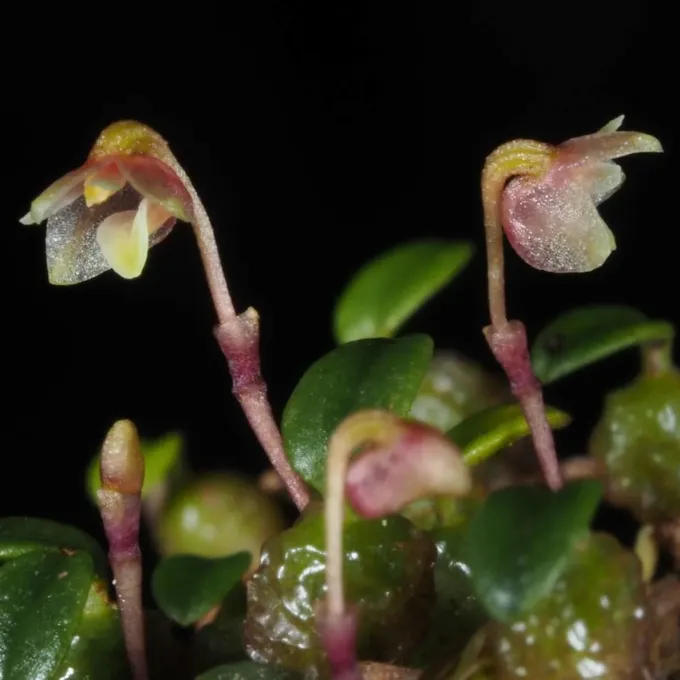
Description
Growing requirements
Bulbophyllum keekee is an epiphytic orchid species belonging to the Orchidaceae family. It is a recognized hybrid originating from the tropical regions of Southeast Asia, known for its unique botanical structure.
The cultivation of this plant requires specific environmental conditions, characterized by high relative humidity (around 70–80%) and a consistent tropical temperature range of 20°C to 28°C.
As an epiphyte, it demands a specialized growing medium that allows for optimal aeration. A blend of pine bark, sphagnum moss, and charcoal is recommended to facilitate rapid water drainage.
Light management is crucial for the health of Bulbophyllum keekee. It thrives under bright, filtered light conditions, as direct exposure can severely damage its foliage and growth cycle.
Regular fertilization with a balanced, dilute orchid-specific fertilizer is necessary during the active growing season to support the development of pseudobulbs and future inflorescences.
Main diseases and pests
The primary threats to this orchid include fungal and bacterial rots, which often develop if the growing medium remains waterlogged or if the air circulation is inadequate.
Pests, particularly spider mites and mealybugs, are frequent challenges in indoor cultivation. These pests tend to congregate in the axils of leaves, draining sap and weakening the plant.
To mitigate these risks, it is essential to maintain high ventilation standards. A consistent airflow helps to evaporate excess moisture from the leaf surfaces and inhibits pathogen growth.
Integrated pest management, including regular monitoring and the use of targeted systemic insecticides, is the most effective approach for ensuring the health of the collection.
Promptly isolating affected plants is recommended to prevent the spread of diseases or infestations throughout the entire growing area, ensuring long-term crop viability.