
Bulbophyllum inconspicuum
Bulbophyllum inconspicuum
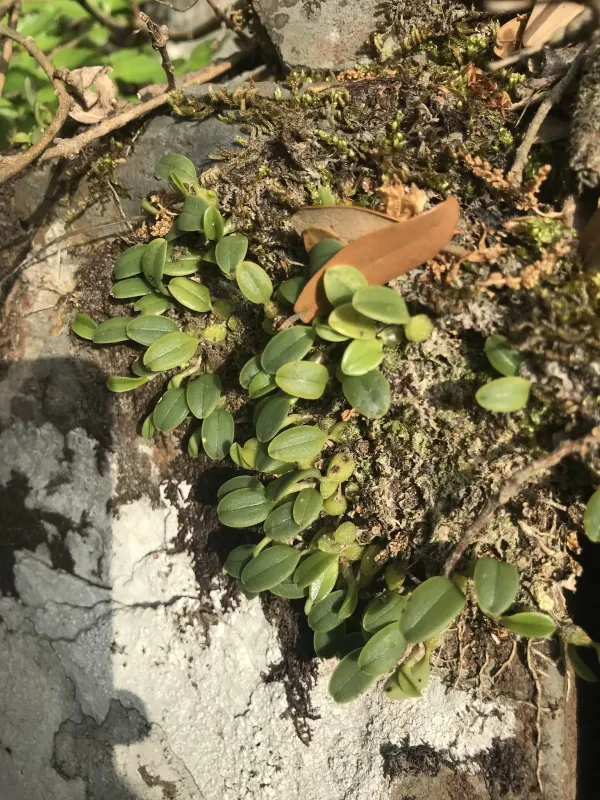
Description
Growing requirements
Bulbophyllum inconspicuum is a unique species belonging to the Orchidaceae family. As an epiphyte, it naturally thrives in the humid forest canopies of East Asia, where it anchors itself to tree bark, drawing moisture directly from the humid atmosphere.
Cultivation success depends heavily on replicating its native tropical microclimate. High relative humidity, ideally between 60% and 80%, is essential. Without proper humidity control, the plant will struggle to develop its signature pseudobulbs and may exhibit stunted growth.
Temperature requirements are consistent with an intermediate-to-warm climate. It prefers daytime temperatures around +20°C to +24°C. A slight drop in temperature during the night is beneficial as it mimics the natural fluctuations found in its native environment.
The potting medium must prioritize drainage and airflow. A mixture consisting of high-quality pine bark, perlite, and a small amount of sphagnum moss is commonly recommended. This creates an environment that prevents waterlogging while maintaining necessary hydration.
Light exposure needs to be indirect and bright. Intense, direct sun will scorch the leaves and permanently damage the plant's photosynthetic capacity. Placing the plant in a position with filtered morning light is usually the safest and most effective approach.
Main diseases and pests
Excessive moisture in the root zone is the primary threat to the health of Bulbophyllum inconspicuum. Poorly draining media often leads to root and rhizome rot, which can kill the plant quickly if not caught in the early stages of infection.
Spider mites are a constant concern in indoor environments, especially during winter months when indoor heating lowers the air humidity. These pests feed on plant sap, causing the foliage to lose color and eventually wilt.
Mealybugs are another prevalent pest that tends to hide in the crevices between the leaves and pseudobulbs. Early detection and mechanical removal are crucial, followed by the application of horticultural oils if the infestation persists.
Fungal infections, such as leaf spot, may occur if the foliage remains wet for extended periods. It is vital to ensure good ventilation and to water the plant in the morning so that any moisture on the leaves has time to evaporate during the day.
Overall, maintaining the plant's vigor through proper nutrition and hygiene is the best defense against pests and diseases. If chemical treatment becomes necessary, always choose options specifically formulated for sensitive orchid species to avoid damaging the foliage.