
Bulbophyllum imbricatum
Bulbophyllum imbricatum
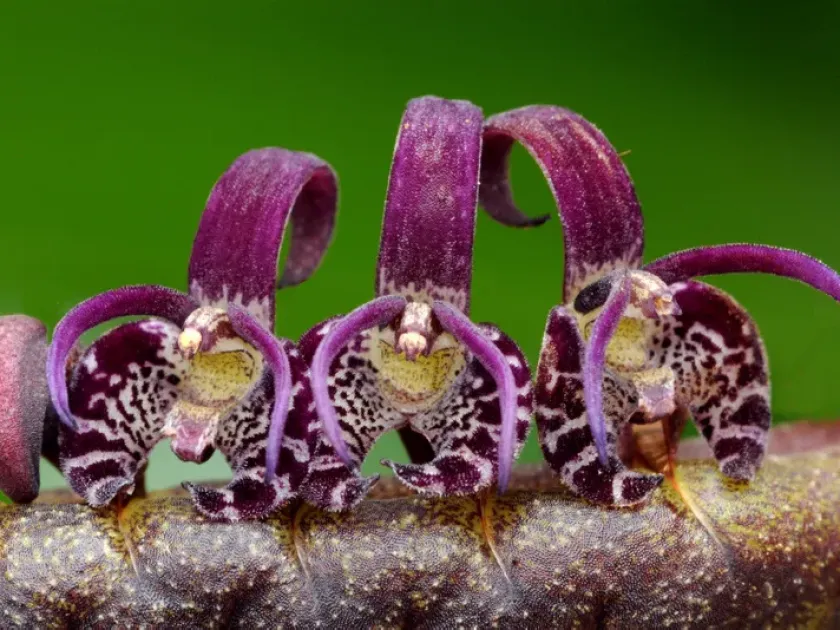
Description
Growing requirements
Bulbophyllum imbricatum belongs to the Orchidaceae family. It is a distinct epiphytic orchid species native to the tropical rainforests of West and Central Africa, characterized by its unique growth habit.
The plant thrives in a tropical environment. In cultivation, it requires a stable temperature range between 22°C and 28°C and a high relative humidity level, ideally maintained between 70% and 85% throughout the year.
This orchid should be grown on mounts made of cork or in open baskets. A very loose substrate, such as medium-sized fir bark mixed with perlite or charcoal, is essential to provide the necessary aeration for the roots.
Watering must be frequent but careful. The roots should be allowed to dry out slightly between waterings to prevent decay. Pure, low-mineral water is preferred to avoid salt accumulation on the roots.
Bright, filtered light is optimal for Bulbophyllum imbricatum. It should never be exposed to direct, intense sunlight, as this can cause severe sunburn on the leaves and pseudobulbs, leading to irreversible damage.
Main diseases and pests
Pest management is a vital part of the plant's health. Common pests include spider mites, which thrive in dry air, and mealybugs that hide in the nooks of the pseudobulbs, requiring regular inspections.
Root and stem rot caused by fungal pathogens represent the most significant threat to this culture. Ensuring excellent airflow and avoiding water stagnation at the base of the plant are the primary methods for preventing these diseases.