
Bulbophyllum graveolens
Bulbophyllum graveolens
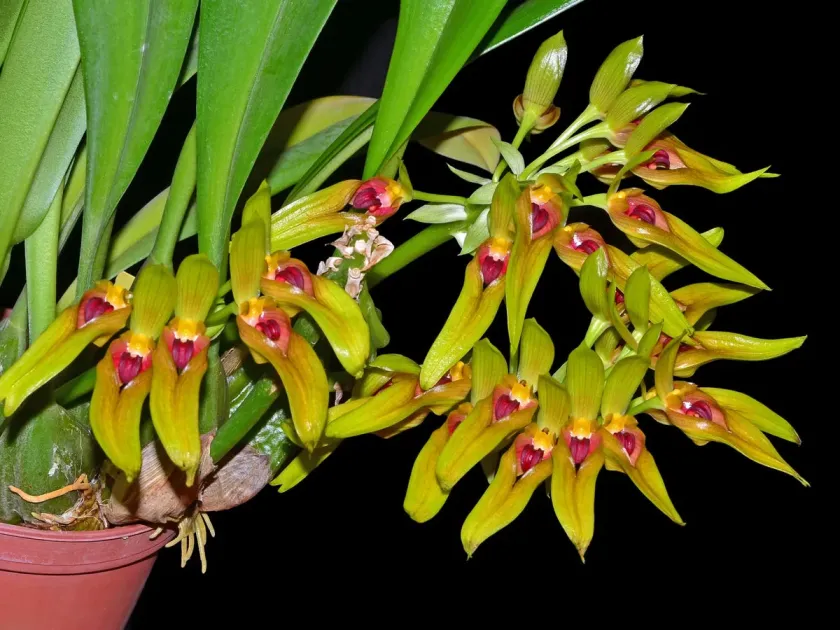
Description
Growing requirements
Bulbophyllum graveolens is a remarkable species within the Orchidaceae family, native to the tropical rainforests of New Guinea. As an epiphytic plant, it thrives in warm, humid environments, making it a prized specimen for specialized orchid collectors and botanical greenhouses.
The plant requires a strictly maintained humidity level of 70-80% to mirror its natural habitat. High humidity, combined with effective air circulation, is crucial to prevent the pseudobulbs from drying out and to encourage healthy leaf development throughout the growing season.
Substrate composition must prioritize drainage and air permeability. Growers typically use coarse fir bark, perlite, and charcoal mixed with live sphagnum moss. Mounting the plant on slabs of hardwood or tree fern is often preferred to allow the extensive root system to breathe.
Temperature requirements are consistent with tropical lowland regions, ideally ranging from 22°C to 28°C. Protecting the plant from direct sunlight is mandatory, as intense rays can easily scorch the foliage and damage the delicate pseudobulbs.
Fertilization should be applied lightly using a balanced orchid fertilizer diluted to a quarter of the recommended strength. Frequent flushing of the substrate with clean, mineral-free water is necessary to prevent salt accumulation, which can be detrimental to root health.
Main diseases and pests
Root rot and fungal infections pose the most significant threat to Bulbophyllum graveolens, often resulting from improper watering schedules or poor drainage. Excess moisture trapped within the pot can quickly lead to the decay of the plant's root system.
Spider mites are common pests that thrive in dry indoor conditions, potentially causing severe damage to the leaves. Monitoring for fine webbing and applying selective miticides are essential components of the integrated pest management strategy.
Scale insects and mealybugs frequently hide in the crevices of the plant, drawing nutrients and weakening the overall vigor of the orchid. Manual removal using cotton swabs dipped in alcohol followed by insecticidal treatment is an effective control method.
Bacterial soft rot can occur if water remains in the crown or between leaf layers for extended periods. Keeping the plant dry during cooler night temperatures is a preventative measure against these aggressive pathogens.
Regular sanitation of growing benches and tools is vital to avoid spreading plant-to-plant pathogens. If a plant shows signs of systemic infection, immediate isolation and treatment with broad-spectrum fungicides are strongly recommended to save the specimen.