
Bulbophyllum globuliforme
Bulbophyllum globuliforme
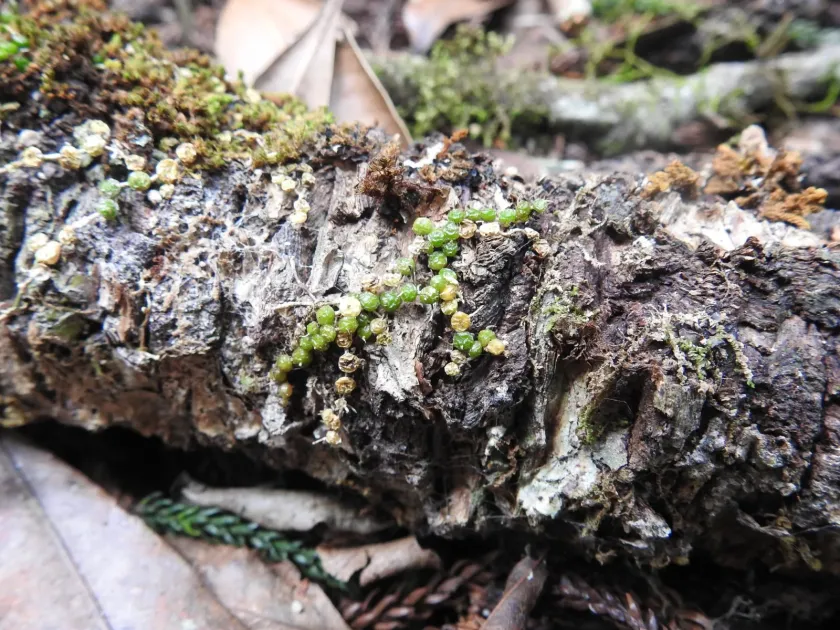
Description
Growing requirements
Bulbophyllum globuliforme is a miniature epiphytic species belonging to the Orchidaceae family. Native to the rainforests of Australia, this unique plant naturally thrives on tree bark, where it develops specialized structures adapted to canopy life.
Successful cultivation of this orchid requires maintaining high ambient humidity, ideally between 70% and 80%. Watering must be managed carefully, ensuring the substrate dries slightly between sessions to prevent rot in the delicate root system.
Bright, indirect light is essential for its development. Harsh, direct sun can severely damage the foliage, while insufficient light inhibits growth. Cultivators often utilize specialized greenhouses or terrariums to mimic the stable, humid environment of its natural habitat.
The plant should be mounted on natural bark or tree fern slabs rather than grown in traditional potting soil. This mounting mimics its natural epiphytic lifestyle and provides the high level of air circulation required to keep the roots healthy and active.
Temperatures should remain stable, avoiding extremes that stress the plant. Consistent ventilation is equally important, as it helps prevent moisture stagnation and simulates the mountain breeze characteristic of its native environmental range in the wild.
Main diseases and pests
Fungal infections pose the most significant threat, often resulting from stagnant air and excessive moisture. If the plant stays wet for too long, rot can quickly spread through the pseudobulbs, leading to rapid decline if not addressed through drying and ventilation.
Common pests include spider mites and scale insects, which can be particularly damaging to such small plants. Regular inspections of the foliage and pseudobulbs are crucial to catch infestations early and apply appropriate control measures before significant damage occurs.
When chemical treatment is necessary, one must be cautious, as miniature orchids are highly sensitive to strong pesticides. It is recommended to use specialized products or biological controls that target the specific pest without causing phytotoxic stress to the plant.
Excessive fertilization can lead to salt accumulation in the mounting medium, which eventually burns the roots. Frequent rinsing of the mounting block with clean, purified water helps leach accumulated minerals and maintain a healthy growth substrate.
Maintaining a clean growing environment is a key preventative measure against both pests and diseases. By disinfecting tools and ensuring proper spacing between plants, growers can protect their specimens from the transmission of common orchid pathogens.