
Bulbophyllum flabellum-veneris
Bulbophyllum flabellum-veneris
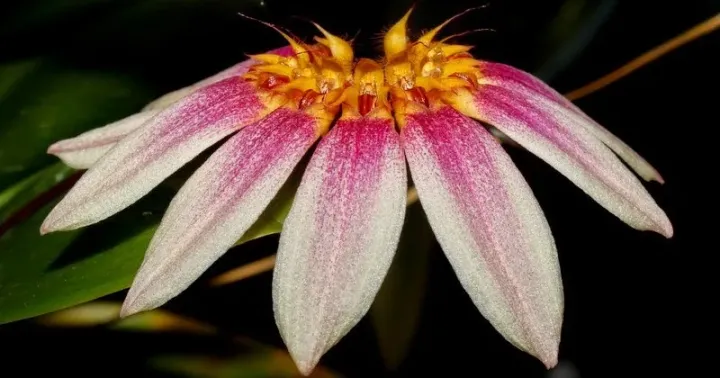
Description
Growing requirements
Bulbophyllum flabellum-veneris is a distinctive epiphytic orchid species belonging to the Orchidaceae family. Naturally found in the tropical rain forests of Southeast Asia, this plant occupies niches on tree branches where it thrives in humid, shaded environments.
To successfully cultivate this species, growers must maintain a warm environment with temperatures between 22°C and 28°C. Being a tropical plant, it is highly sensitive to cold drafts, which can cause significant physiological stress and lead to plant decline.
High humidity levels are essential for the health of the pseudobulbs and leaves. Ideally, humidity should remain between 70% and 80%, often requiring the use of humidifiers or regular misting systems in controlled growing environments or greenhouses.
The preferred method of potting involves mounting on cork bark or using airy baskets filled with a coarse orchid mix. This structure ensures that the roots receive maximum aeration and prevents the substrate from staying saturated for too long.
Lighting requirements involve bright but filtered exposure. Direct sunlight can easily damage the foliage, leading to scorch marks; therefore, diffused light or under-canopy placement is recommended to replicate the plant's natural light conditions.
Main diseases and pests
The primary threat to this culture is fungal infection, particularly root rot, which occurs when the roots remain wet for extended periods without adequate air circulation. Ensuring the substrate dries slightly between waterings is crucial for disease prevention.
Insect pests, including spider mites and scale insects, frequently target this species when the ambient air is too dry. These pests extract sap, weakening the plant and potentially leading to the transmission of secondary viral or bacterial infections.
Integrated pest management, including regular inspection and the use of gentle botanical oils or insecticidal soaps, is the recommended approach to maintaining a healthy collection without damaging the delicate plant tissue.
Improper mineral balance, especially salt buildup from tap water, can burn root tips and inhibit growth. Using purified water with low mineral content is essential for long-term health and vibrant growth of the plant.
Poor ventilation promotes stagnant air, which is a leading cause of mold growth on the pseudobulbs. Constant, gentle airflow is necessary to mimic the natural movement of air in a tropical forest canopy and keep the orchid disease-free.