
Bulbophyllum fimbriatum
Bulbophyllum fimbriatum
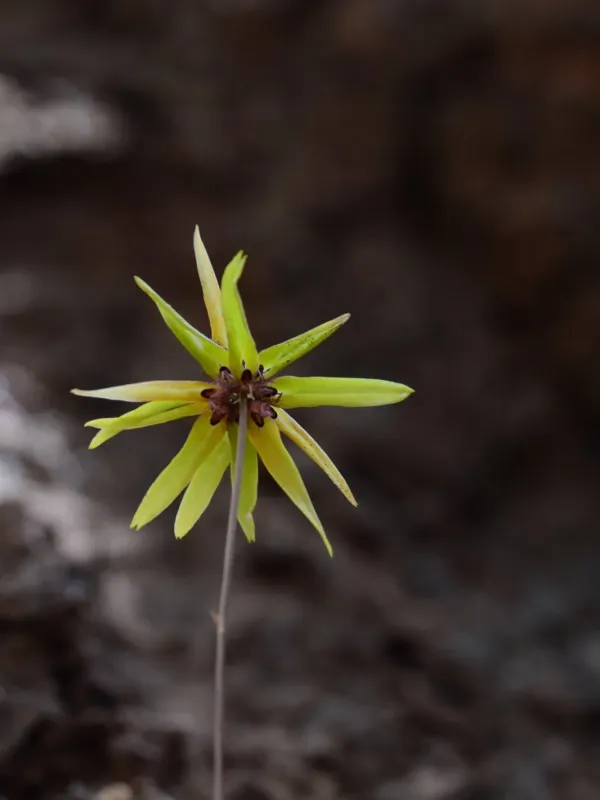
Description
Growing requirements
Bulbophyllum fimbriatum is a species belonging to the Orchidaceae family, characterized by its epiphytic growth habit. Originating from the tropical forests of Southeast Asia, it primarily thrives on tree branches where it benefits from consistent humidity and filtered sunlight.
To cultivate this species successfully, producers must maintain a stable temperature range between 20 and 26 degrees Celsius. A significant drop in nighttime temperatures is essential for triggering the biological processes related to blooming and vegetative development.
The plant exhibits distinctive botanical traits, including clustered pseudobulbs and fleshy, leathery leaves. Due to its epiphytic nature, the root system requires excellent drainage and air circulation, making high-quality pine bark or mounting on cork slabs the most appropriate substrates.
Agronomic management requires high atmospheric humidity, ideally kept between 70 and 80 percent. Irrigation practices must ensure the substrate remains moist but not waterlogged, as stagnant moisture is the primary cause of root degradation and death in this genus.
The commercial use of Bulbophyllum fimbriatum is centered on the niche market for rare and ornamental orchids. Growers frequently utilize this species for exhibitions and specialized private collections, valuing its intricate, fringed flowers and unique structural presentation.
Main diseases and pests
Fungal infections represent the primary threat to the health of this culture, typically manifesting when airflow is inadequate or the substrate remains overly saturated. Pseudobulb rot is particularly lethal and often progresses rapidly if environmental conditions are not corrected.
Pests, specifically spider mites and scale insects, pose a significant risk in greenhouse environments with low humidity. These pests thrive in dry air conditions and can quickly weaken the plant by feeding on its vascular sap and delicate new growth.
Effective management involves a proactive approach including regular monitoring and the application of systemic fungicides when necessary. Proper sanitation of tools and a controlled climate are the most effective non-chemical methods for maintaining plant health.
In case of infestation, isolation of the affected specimen is mandatory to prevent cross-contamination. Damaged plant material should be removed using sterile instruments, followed by the application of disinfectants to prevent further spread of pathogens.
Enhancing the plant's natural resilience is achieved through a balanced fertilization program and providing optimal light levels. A strong, well-nourished orchid is better equipped to withstand environmental stress and secondary infections from opportunistic pathogens.