
Bulbophyllum distans
Bulbophyllum distans
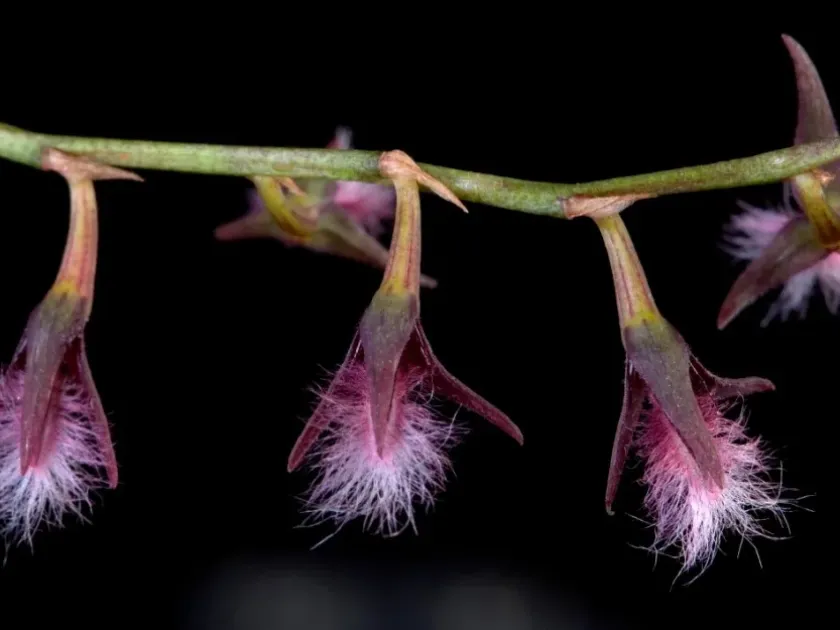
Description
Growing requirements
Bulbophyllum distans is a specialized species within the Orchidaceae family, recognized primarily as an epiphytic orchid. Native to the tropical regions of Southeast Asia, this species thrives in high-humidity environments typical of tropical forests, where it attaches itself to tree branches and bark.
The plant is defined by its sympodial growth habit, characterized by pseudobulbs spaced along a creeping rhizome. Its leaves are leathery and elongated, providing the necessary surface area for photosynthesis while minimizing water loss, which is essential for survival in its native tropical canopy.
In a controlled environment, the climate requirements are rigorous. The species demands high humidity levels, ideally maintained between 60% and 80%, accompanied by stable, warm temperatures typically ranging from 20°C to 28°C. Proper ventilation is critical to ensure healthy gas exchange and prevent stagnant conditions.
Agronomic management of the growing medium is focused on excellent drainage and aeration. Rather than traditional soil, Bulbophyllum distans is cultivated using specialized epiphytic mixes composed of fir bark, charcoal, and sphagnum moss. These materials prevent root suffocation while providing enough moisture for active development.
The primary economic use of this plant is within the ornamental horticulture industry. It is highly valued by specialized collectors and botanical gardens for its unique morphological traits and the complex scent of its blossoms, which serve as a hallmark for both hybridizing and decorative displays.
Main diseases and pests
Common health issues include fungal and bacterial pathogens, which are primarily triggered by overwatering or inadequate air circulation. Excessive moisture surrounding the pseudobulbs often leads to rotting, a condition that can rapidly compromise the integrity of the entire plant structure if left untreated.
Pest infestations, particularly by aphids and scale insects, present a significant threat to the plant's health. These pests consume plant sap, leaving the orchid prone to secondary viral infections. Effective management relies on consistent monitoring and the application of specialized pest control protocols to maintain aesthetic quality.