
Bulbophyllum cochleatum
Bulbophyllum cochleatum
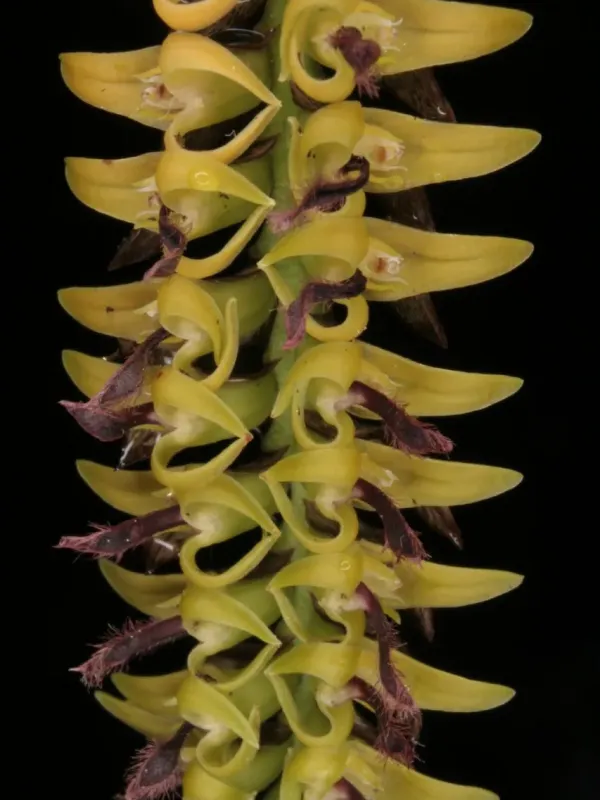
Description
Growing requirements
Bulbophyllum cochleatum is a fascinating species of orchid belonging to the Orchidaceae family. It originates from the tropical regions of Africa, where it thrives in humid and shaded forest environments.
To successfully cultivate this crop, one must maintain tropical-like conditions. Optimal growth is observed when temperatures are kept between +20°C and +28°C throughout the year.
High relative humidity is a critical requirement for this species. It should ideally be maintained between 60% and 80%, often necessitating the use of specialized misting systems or humidifiers.
Light intensity should be moderate and diffused. Exposure to direct intense sunlight can lead to severe physiological stress and leaf scorching, negatively affecting the overall health of the plant.
The choice of substrate is paramount; it must be well-draining, such as high-quality pine bark mixed with charcoal and perlite to ensure optimal gas exchange at the root level.
Main diseases and pests
The primary threats to Bulbophyllum cochleatum involve fungal pathogens, which frequently develop due to stagnant air and excessive moisture levels within the root zone.
Spider mites are the most common pest observed in indoor cultivation. They flourish in low-humidity environments and can rapidly deplete the plant of its sap.
Mealybugs and scale insects may also infest the plant. These pests usually congregate in leaf axils, making early detection and manual removal or chemical treatment vital.
Root rot is a major risk factor caused by waterlogged substrates. Preventing this requires a rigorous drainage regimen and careful monitoring of watering cycles based on the season.
Regular application of protective treatments and maintaining optimal sanitary conditions in the greenhouse are essential strategies for mitigating these common horticultural threats.