
Bulbophyllum chlorascens
Bulbophyllum chlorascens
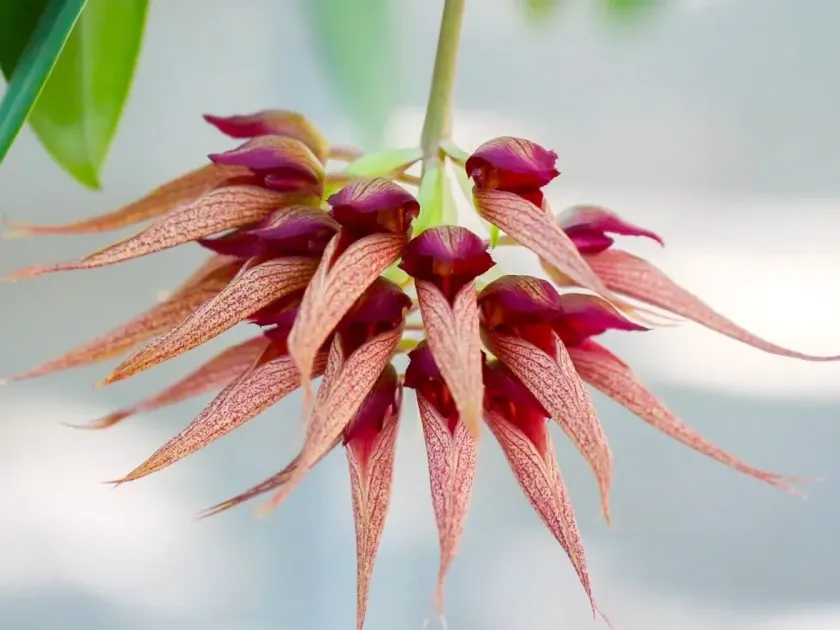
Description
Growing requirements
Bulbophyllum chlorascens is a specialized epiphytic orchid species belonging to the Orchidaceae family. It originates from the tropical rainforests of Southeast Asia, thriving in environments characterized by high humidity levels and stable warm temperatures throughout the year.
To cultivate this species successfully, growers must maintain a relative humidity level between 70% and 85%. Adequate air movement is essential to prevent moisture stagnation, which can lead to fungal issues around the base of the plant and its rhizomes.
The ideal temperature range for this plant is between 20°C and 28°C. While the plant can tolerate minor fluctuations, it is best to avoid extreme cold or intense, direct heat, as the species is adapted to the buffered environment of the forest canopy.
Standard potting media for Bulbophyllum species typically consist of well-draining materials such as fine to medium-grade fir bark, long-fiber sphagnum moss, and charcoal. Using baskets or rafts allows for the necessary aeration of the root system.
Light intensity should be kept low to moderate, mimicking the dappled light found in natural rainforest habitats. Providing bright, indirect sunlight will promote healthy vegetative growth and encourage regular flowering cycles in mature specimens.
Main diseases and pests
Pathogenic threats are primarily linked to environmental mismanagement. Overwatering or poor drainage often results in root rot caused by pathogens like Pythium or Phytophthora, which can rapidly compromise the integrity of the plant's root system.
Insects such as spider mites and aphids are common pests that thrive in dry or poorly ventilated conditions. These pests typically congregate on the underside of leaves or within new growth, causing significant damage if left untreated.
Scale insects present another challenge, as they often hide in the crevices of the pseudobulbs, making them difficult to detect. Manual removal combined with the application of horticultural oils or systemic insecticides is the standard treatment protocol.
To mitigate these threats, maintain strict sanitary conditions within the greenhouse or collection area. Regularly clean the growing space and isolate any new acquisitions to prevent the introduction of pests or diseases to established plants.
Chemical control should be approached with caution, ensuring that all products used are specifically tested for safety on epiphytic orchids. Always prioritize integrated pest management (IPM) strategies to ensure the long-term health and vitality of your plants.