
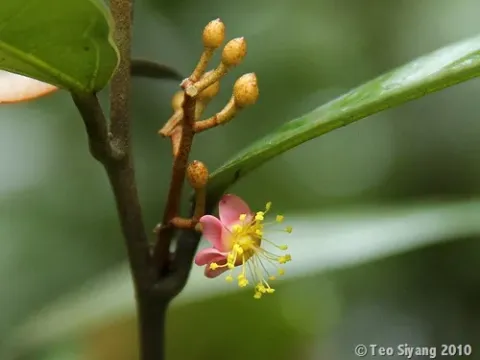
Brownlowia
Brownlowia
Brownlowia is a genus of trees and shrubs belonging to the Malvaceae family, native to tropical environments. Propagation is primarily achieved through seeds, which must be harvested at peak maturity and sown quickly, as tropical seeds often exhibit a short period of viability after dispersal.
What the section contains

Brownlowia
Sowing should be timed with the onset of the rainy season to ensure natural humidity levels. Seeds are typically planted in nursery trays using a mixture of coconut coir and perlite, which offers the optimal balance between water retention and aeration necessary for delicate germination.
The optimal temperature for successful germination ranges from 25°C to 30°C. Maintaining a stable temperature is essential, as fluctuations can induce dormancy or lead to seed rot. Soil moisture must be monitored daily, ensuring the substrate remains damp but never waterlogged to avoid damping-off diseases.
Seedlings require protection from direct, high-intensity sunlight during their first months. Using shade cloth provides a diffused light environment that mimics the forest floor, allowing young plants to establish their root systems without excessive transpiration stress.
Once seedlings attain a height of approximately 40 centimeters, they are typically transplanted into larger containers or permanent locations. This stage involves careful hardening-off to acclimatize the plants to the ambient conditions of the field before the final planting.
Brownlowia species thrive in tropical climates with consistent high temperatures and high relative humidity. They are intolerant of frost or even prolonged cool spells, which can cause significant tissue damage and metabolic slowdown, making them strictly suited for equatorial or tropical planting zones.
The plant requires deep, fertile soil with excellent drainage. While they appreciate moisture, they cannot tolerate waterlogged conditions. In areas with heavy clay soils, it is often necessary to install drainage mounds or incorporate organic amendments to improve the soil structure.
Light requirements vary by age, but mature trees require full exposure to sunlight to bloom effectively. In crowded plantations, proper spacing is crucial to prevent competition for light and nutrients, which otherwise leads to poor canopy development and reduced overall biomass production.
Fertilization regimes should prioritize balanced NPK formulations with additional micronutrients such as magnesium and iron, which are vital for chlorophyll synthesis in tropical trees. Application rates are increased during the wet season when the tree is in its peak vegetative growth phase.
Regular maintenance includes pruning to remove weak or dead branches and to maintain an open canopy. This practice is essential for air circulation, which not only prevents fungal infections but also ensures that sunlight penetrates deeper into the canopy to stimulate photosynthesis.
Fungal diseases, particularly anthracnose and leaf spot, are the primary threats to Brownlowia in humid environments. These pathogens flourish in stagnant air and dense leaf canopies, leading to severe defoliation if left unchecked during the rainy season.
Insects, such as scale insects and mealybugs, are frequent pests that infest the underside of leaves and stems. They weaken the plant by extracting phloem sap and can attract sooty mold, which covers leaves and interferes with the plant’s ability to conduct photosynthesis effectively.
Root-knot nematodes can pose a significant threat in areas with lighter, sandy soils. These microscopic pests destroy the root system’s functionality, leading to a general decline in the tree's health, stunted growth, and a yellowing appearance of the foliage that resembles nutritional deficiency.
Pest management relies on a combination of cultural practices, such as pruning and site hygiene, and biological controls like the introduction of predatory insects. Chemical interventions should be used sparingly and only when pest populations exceed the economic threshold, targeting specific stages of the pest lifecycle.
Monitoring for signs of stress is critical. Early detection of leaf discoloration, twig dieback, or bark lesions allows for localized treatments that prevent widespread outbreaks. Maintaining a healthy soil microbiology through the use of compost can also bolster the tree's natural resistance to soil-borne pathogens.