
Brownlowia tersa
Brownlowia tersa
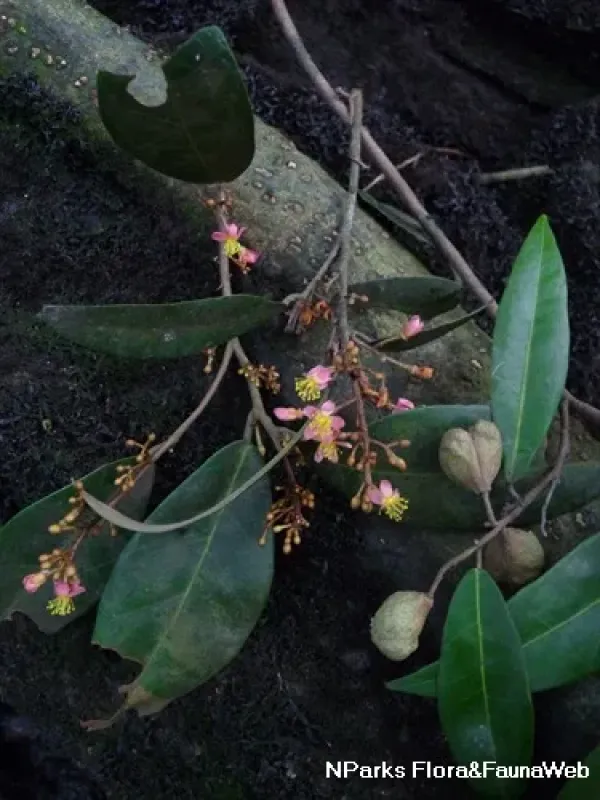
Description
Growing requirements
Brownlowia tersa is a distinctive woody shrub belonging to the Malvaceae family. It is primarily identified as a halophytic species, well-adapted to the challenging environments of tropical mangrove forests found along the coasts of Southeast Asia.
The cultural requirements for this plant are stringent, necessitating constant exposure to brackish water and tidal fluctuations. Unlike conventional agricultural crops, it thrives in anaerobic, muddy soils that require specific adaptations such as specialized root structures for gas exchange.
Optimal growth is observed in regions with high ambient humidity and year-round high temperatures. The plant requires a delicate balance of salinity in the substrate; excessive freshwater can inhibit its growth, while extreme hyper-salinity can be equally detrimental.
Botanically, it is characterized by simple, alternate leaves with a leathery texture and dense pubescence on the underside. This anatomical feature is an evolutionary response to water stress and high salt concentrations found in its natural habitat.
In terms of agricultural and ecological utility, this species is vital for coastal stabilization. Its root network acts as a natural biological anchor, sequestering carbon and providing habitat for diverse marine life, making it a cornerstone for mangrove reforestation projects.
Harvesting
Commercial harvesting of this species is rare and usually restricted to sustainable wood collection. The wood is prized for its durability and resistance to rot in humid, saline conditions, making it useful for local construction projects.
Seed collection for conservation efforts is a delicate process, typically timed with the tidal cycles to capture seeds as they detach from the parent plant. Volunteers and scientists gather floating seeds to propagate in controlled nurseries.
When implementing reforestation, plants are spaced carefully to ensure they can effectively interlock their roots. This spacing is crucial for maximizing the coastal protection capabilities of the plantation against tidal erosion.
Maintenance involves removing non-organic debris from the planting area. Such pollutants often get trapped by the shrubs' root systems and can lead to the suffocation of younger seedlings if not managed effectively.
Periodic monitoring is essential to track the health of the population. Harvesters or conservationists must ensure that removal of any material does not destabilize the surrounding mudflats or affect the biodiversity of the mangrove ecosystem.