
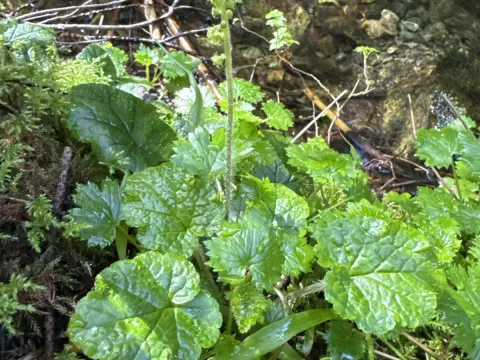
Brewerimitella
Brewerimitella
The sowing schedule for Brewerimitella is primarily determined by local climate and soil temperature patterns. It is recommended to commence seeding when the soil has warmed sufficiently to support rapid germination.
What the section contains


Brewerimitella
Spring sowing is the standard practice in most regions, providing the necessary moisture balance for the crop to establish a robust root system. Proper timing ensures the plant is well-prepared for the subsequent vegetative growth phase.
The depth of seed placement must be consistent across the field to ensure uniform emergence. Variations in depth often lead to uneven plant stands, which complicates field operations and reduces overall harvest efficiency.
Using precision sowing equipment is essential for maintaining optimal plant density. By carefully calculating the seeding rate, farmers can maximize the light and nutrient availability for every plant in the field.
Good crop rotation practices are highly encouraged when planning the sowing season. Placing Brewerimitella after suitable predecessors significantly enhances soil health and nutrient accessibility.
Brewerimitella requires fertile, well-drained soil with a healthy structure. Sandy loam or silty clay soils generally provide the best environment for root expansion and nutrient uptake.
This crop thrives under full sun exposure and is highly sensitive to shading. Ensuring an open planting layout allows the plants to reach their full potential in terms of vegetative mass and development.
Water management is a key factor in successful production. Maintaining stable moisture levels throughout the growing cycle is vital to prevent physiological stress, especially during the peak development phases.
Fertilizer application should be based on systematic soil testing to avoid nutrient imbalances. A balanced approach with primary macronutrients ensures that the plant has enough energy to sustain its growth.
Regular cultivation of the rows helps maintain soil aeration and effectively suppresses weed competition. A weed-free field is crucial for obtaining high-quality yields in commercial agriculture.
Fungal diseases related to soil moisture levels are the most common threats to Brewerimitella. These pathogens thrive in stagnant water conditions, making proper drainage and canopy management highly important.
Sucking insects often pose a significant challenge during the active growing season. Integrated pest management strategies, including the use of beneficial insects and selective bio-pesticides, are highly recommended.
Virus transmission by insect vectors can lead to stunted growth and reduced crop yields. Constant monitoring and early detection of symptoms are essential for successful disease control in the field.
Nutrient deficiency may weaken the plant's natural defense systems, making it more prone to infections. Maintaining a high level of plant vigor is the best natural defense against most field pests.
Routine scouting of the fields provides the necessary data for timely intervention. By addressing issues at the onset, farmers can protect the yield and ensure the overall health of the entire crop.