
Brewerimitella breweri
Brewerimitella breweri
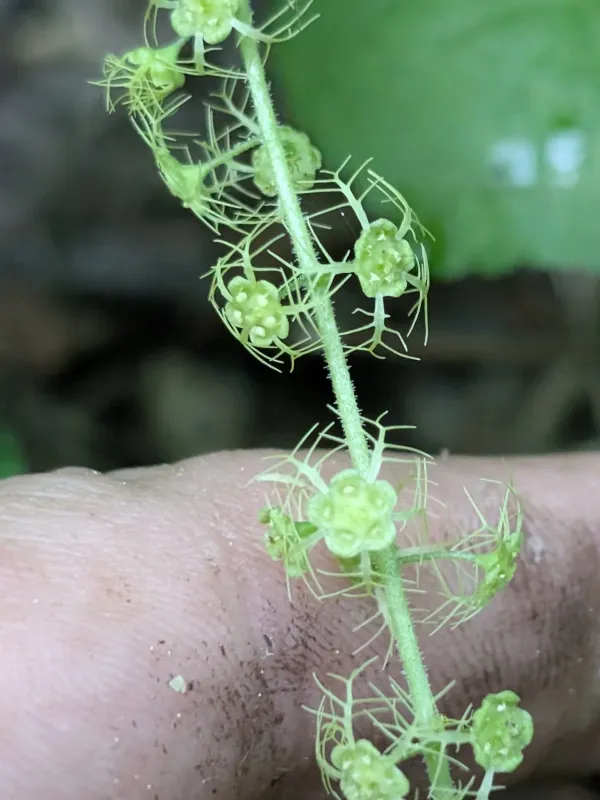
Description
Sowing dates
Sowing of Brewerimitella breweri takes place in early spring, once the soil temperature has consistently reached the levels required for successful seed germination.
Seed preparation is a critical step; it involves sorting and potentially pre-sowing treatment with bio-stimulants to enhance vigor and uniformity of emergence across the field.
Planting depth should be calibrated accurately, as improper placement can significantly hinder the initial growth phase and lead to uneven crop development.
The optimal row spacing and seed rate are determined based on the local climate and soil fertility, ensuring that each plant has enough space to access nutrients.
After seeding, light soil compaction is recommended to ensure optimal contact between the seeds and the soil, facilitating rapid moisture uptake for the germinating seeds.
Growing requirements
Brewerimitella breweri prefers well-drained loamy soils with a balanced nutrient content, avoiding heavy clays that may cause compaction or waterlogging.
As a light-demanding crop, it requires open areas with high solar exposure to support its intensive metabolic processes during the main vegetative stages.
Maintaining optimal soil moisture levels is essential, necessitating irrigation strategies that prevent drought stress while avoiding saturation of the root zone.
The temperature range between 18 and 25 degrees Celsius is ideal for active photosynthesis and the development of high-quality biomass.
Nutrient management involves applying fertilizers based on regular soil testing, focusing on nitrogen during early growth and phosphorus for reproductive development.
Yield
The yield potential of Brewerimitella breweri is highly dependent on effective crop management and the elimination of limiting factors during critical growth phases.
Utilizing modern precision farming techniques, such as targeted irrigation and fertilization, can significantly boost productivity compared to standard cultivation methods.
Proper density management is crucial to minimize resource competition among plants, ensuring that every individual has sufficient access to light and nutrients.
Genetic potential combined with high-quality seed selection remains the foundation for achieving consistent yield results across varying seasons.
Monitoring yield parameters regularly allows farmers to adjust their agronomic strategies and optimize input usage for better economic returns.
Main diseases and pests
Fungal diseases are the primary threat, often exacerbated by high humidity and poor air circulation within the plant canopy during the mid-season.
Insect pests can damage foliage and stems, leading to reduced photosynthetic area and general plant stress, which necessitates an integrated pest management plan.
Preventative strategies, including crop rotation and the removal of plant debris, are vital to breaking the life cycle of common pathogens found in the soil.
Frequent scouting of the field enables early detection of infestations, allowing for timely intervention with appropriate biological or chemical control agents.
Sanitation practices involving the cleaning of equipment between fields help prevent the spread of diseases and maintain the health of the entire crop cycle.
Harvesting
Harvesting Brewerimitella breweri occurs at the stage of technical maturity, where the target compounds are at their peak for market or processing requirements.
Gentle handling during the harvest process is mandatory to maintain the structural integrity of the crop and prevent post-harvest spoilage.
Preferably, harvest should be conducted under dry conditions to minimize the risk of contamination and improve the long-term storage potential of the produce.
Once harvested, the product undergoes immediate sorting and primary processing to ensure it meets the quality standards defined for commercial use.
Post-harvest storage requires ventilated environments with controlled temperatures to maintain quality and prevent moisture accumulation during the shelf-life period.