
Brewerimitella ovalis
Brewerimitella ovalis
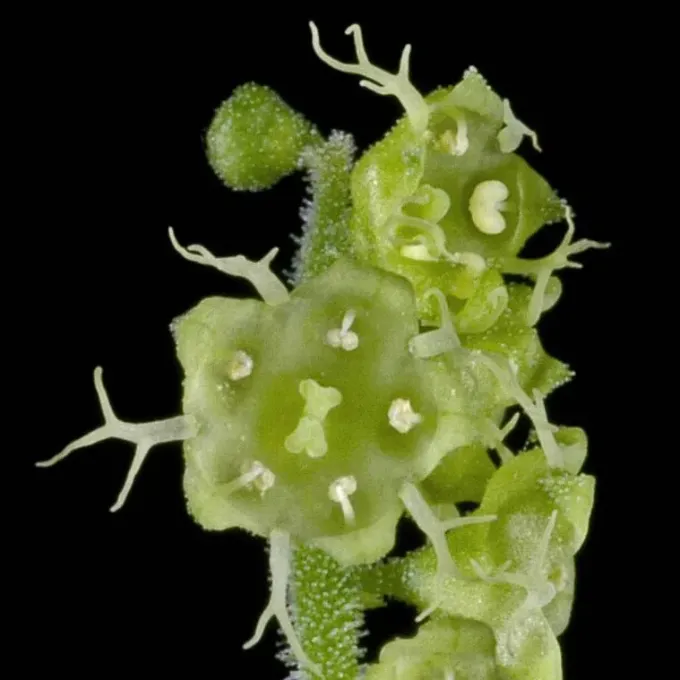
Description
Sowing dates
Brewerimitella ovalis is a perennial plant that naturally reproduces via seeds throughout the early spring months as temperatures begin to rise.
When cultivating this species, it is recommended to sow seeds into a well-draining, sterile soil medium to ensure high germination rates.
The ideal time for outdoor sowing is late April, ensuring that the soil has sufficiently thawed and warmed up to support root establishment.
Seeds should be sown shallowly, as they require specific light exposure to break dormancy and trigger the germination process.
Propagation through rhizome division is best performed at the end of the summer season, allowing the plant enough time to establish itself before the arrival of winter.
Growing requirements
Belonging to the Saxifragaceae family, this plant thrives in cool, moist environments typically found in shaded mountainous or woodland areas.
The preferred soil type is a nutrient-rich, slightly acidic loam that provides good moisture retention while preventing stagnant water.
Consistent moisture is the primary requirement for successful growth, as the plant is highly susceptible to root damage during drought conditions.
It prefers environments with filtered sunlight; exposure to intense direct sun can cause leaf scorching and a general decline in plant vitality.
Moderate temperatures ranging between 15°C and 22°C are optimal for the vegetative phase of Brewerimitella ovalis.
Main diseases and pests
Fungal pathogens represent the most significant threat to the health of this species, particularly when high humidity is combined with poor airflow.
Root rot is a common ailment if the growing medium does not have an effective drainage system to manage excess water during heavy rains.
Gastropods such as slugs and snails are frequent pests that target the foliage, necessitating the use of perimeter barriers if necessary.
Aphid infestations can occur during the flowering stage, potentially weakening the plant if left untreated for extended periods.
- Monitor for signs of yellowing leaves which indicate moisture issues.
- Maintain proper spacing between plants to enhance ventilation.
- Apply mulch to protect the root zone from rapid temperature fluctuations.