
Channelled saxifrage
Saxifraga canaliculata
Description
Growing requirements
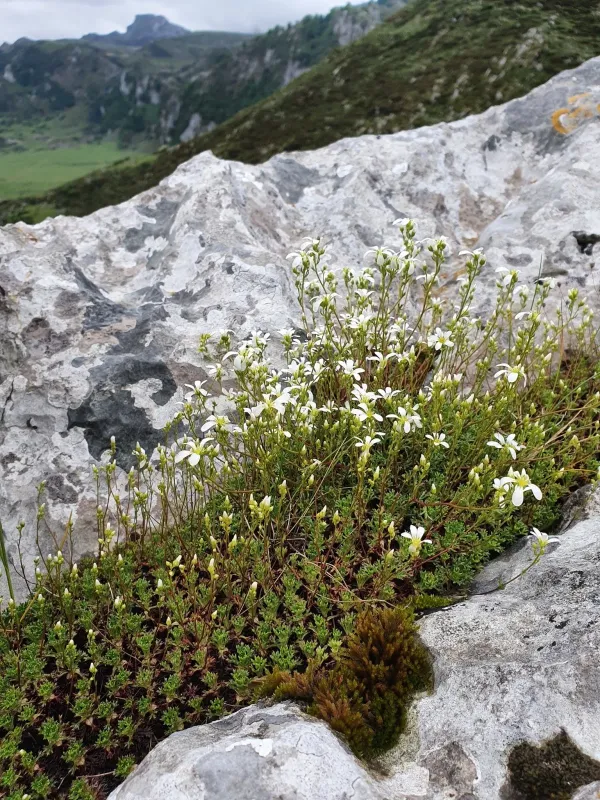
Channelled saxifrage (Saxifraga canaliculata) is a perennial herbaceous plant belonging to the Saxifragaceae family. Native to the mountain ranges of the Pyrenees, this plant is naturally adapted to rugged, rocky terrains.
The cultivation of this species requires specific soil conditions. It thrives in well-drained, gritty substrates that mimic its natural habitat. Alkaline or neutral soils are generally preferred over acidic ones to ensure optimal nutrient uptake.
Climatic requirements are centered on cool, well-ventilated conditions. Channelled saxifrage does not tolerate high heat and humidity combined, which can lead to rapid rot, making it most suitable for rock gardens and alpine installations.
Botanically, the plant is characterized by its rosette-forming habit with distinct channelled leaves. These leaves are designed to channel moisture down to the root system while maintaining a compact and resilient structure throughout the seasons.
In terms of agricultural and horticultural use, this plant is strictly ornamental. It is highly valued for its ability to soften the appearance of stone surfaces in landscaping and its low-maintenance nature when placed in the correct environment.
Main diseases and pests
The primary threats to channelled saxifrage are fungal diseases, often triggered by waterlogged conditions or poor air circulation. Root rot is a common issue if the drainage is not sufficient.
Pests such as slugs and snails are frequently attracted to the dense foliage of the plant, especially in moist weather. Using gravel mulch serves as a natural deterrent against these mollusks.
Red spider mites can pose a problem in warm and dry environments. Monitoring the underside of the leaves regularly is essential for early detection and mitigation of infestations.
Proper maintenance practices include avoiding overhead watering during hot summer days, which helps to keep the foliage dry and prevents fungal growth.
Chemical treatments should be used sparingly, focusing on fungicides for soil-borne pathogens or biological pest control methods to maintain the delicate ecological balance of the rock garden.