
Caucasian saxifrage
Saxifraga caucasica
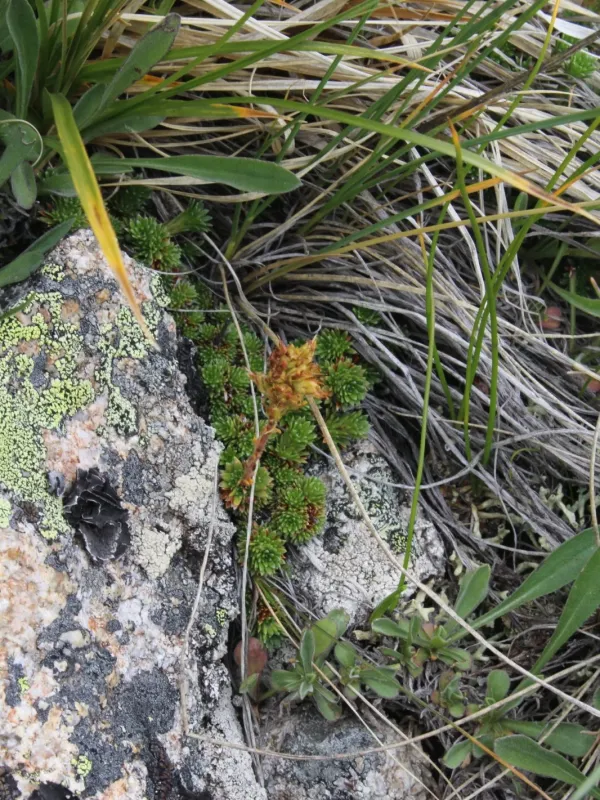
Description
Sowing dates
Propagation of Saxifraga caucasica is primarily done through seeds or division of the clump. In temperate climates, sowing is recommended in late autumn, directly into open ground or seed trays, to allow for natural stratification.
For spring sowing, seeds require prior cold stratification for 3–4 weeks. The optimal time for sowing is March or April, when the soil reaches minimum acceptable temperatures for germination.
When dividing a mature clump, the process should be carried out immediately after flowering. This allows the plant enough time to establish its root system before the onset of summer heat or autumn frosts.
The sowing depth must be minimal, as the seeds are extremely small. It is recommended to only lightly dust them with sand or fine substrate to ensure good contact with the moist soil.
Seedlings typically emerge within 2–4 weeks, provided the substrate moisture is consistently maintained. Once the first true leaves appear, the plants should be pricked out to ensure proper root development.
Growing requirements
As a typical member of the Saxifragaceae family, Caucasian saxifrage prefers well-drained locations. The plant is highly sensitive to waterlogging, which rapidly leads to root rot and the death of the specimen.
Rocky, sandy, or loamy soils with a neutral to slightly alkaline pH are ideal for planting. The crop exhibits high drought tolerance but prefers semi-shaded areas in southern regions with intense sunlight.
In alpine or northern conditions, the plant adapts well to direct sunlight. It is crucial to protect the root system from overheating, which can be effectively achieved by mulching with fine gravel.
Climatic requirements include a need for moderate temperatures and sufficient airflow. The culture does not tolerate stagnant, humid air well, which can trigger the development of fungal infections.
Fertilization is required in minimal amounts. An excess of nutrients, particularly nitrogen, leads to excessive foliage growth at the expense of flowering and reduces the plant's winter hardiness.
Main diseases and pests
The primary threat to the saxifrage is fungal diseases that develop under conditions of high air and soil humidity. Root rot, which affects the lower part of the rosette, is the most common issue.
Pests such as spider mites may attack the plants during periods of prolonged drought and high air temperatures. Regular inspection of the undersides of the leaves is necessary for effective prevention.
Aphids can infest young inflorescences, sucking sap and inhibiting bud development. Upon detection of early colonies, systemic insecticides approved for use on ornamental plants should be applied.
Slugs and snails frequently damage the delicate leaf blades, leaving behind characteristic holes and trails of mucus. Control methods include manual removal or the installation of traps near the plantings.
Nematodes may damage the root system, resulting in overall stunted growth. As a preventative measure, crop rotation and the use of healthy, pathogen-free planting material are highly recommended.