
Brassia verrucosa
Brassia verrucosa
Description
Growing requirements
Brassia verrucosa is a renowned species of epiphytic orchid within the Orchidaceae family. Native to the cloud forests of Mexico, Guatemala, and Honduras, it thrives in environments characterized by consistent high humidity and moderate temperatures throughout the growing cycle.
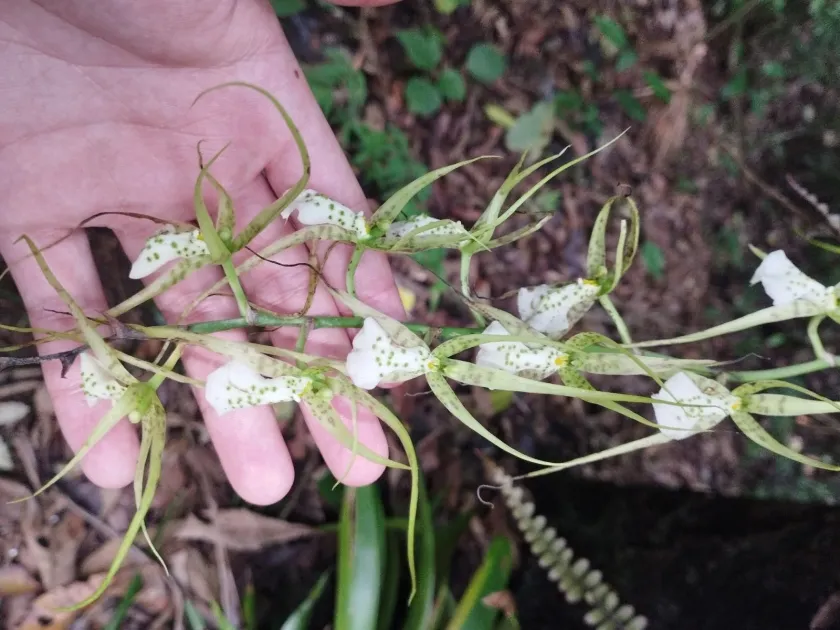
The plant features sympodial growth with distinct, somewhat flattened pseudobulbs that support elongated, leathery leaves. The inflorescence emerges from the base of mature pseudobulbs, producing unique, spider-like flowers that are highly fragrant and aesthetically appealing for collectors.
Optimal cultivation requires a well-draining epiphytic substrate, typically composed of medium-grade fir bark, charcoal, and perlite. This mixture promotes essential air circulation around the root zone, preventing suffocation and ensuring healthy development of the root system.
Light intensity requirements are moderate, with filtered sunlight being the standard. Exposure to intense, direct midday light should be avoided as it leads to leaf scorching and potential decline in the plant's overall vigor and resistance to environmental stress.
Watering frequency depends on the ambient temperature and local humidity levels. It is critical to ensure that the substrate is thoroughly moistened during the growth phase, while allowing for a slight reduction in water frequency during the dormant winter months to maintain balance.
Main diseases and pests
The most common pests affecting this orchid are scale insects and mealybugs, which tend to congregate in the leaf axils or under the pseudobulb sheath. Routine physical removal or the use of horticultural oils can effectively manage these populations before they cause damage.
Fungal pathogens and bacterial spotting occur predominantly when the environment lacks sufficient airflow. Maintaining adequate circulation and keeping foliage dry during the night are the most effective preventive measures against these common orchid threats.