
Brassia caudata
Brassia caudata
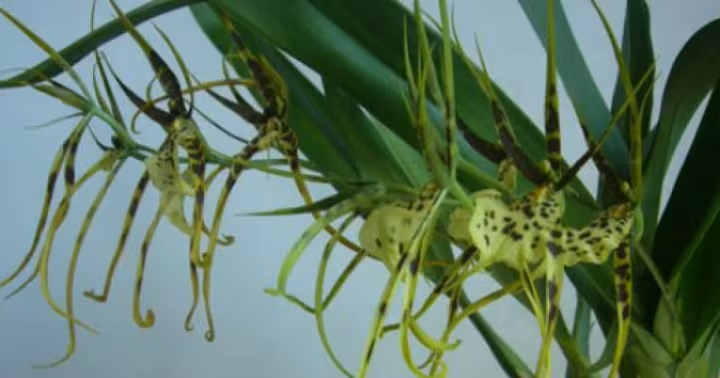
Description
Growing requirements
Brassia caudata is a fascinating orchid species belonging to the Orchidaceae family. Widely recognized as a decorative crop, this orchid originates from the tropical rainforests of the Caribbean, Mexico, and South America, where it typically grows on tree trunks as an epiphyte.
Successful cultivation requires a climate-controlled environment. The plants thrive in temperatures ranging from 20°C to 28°C. Protecting the orchid from extreme temperature drops is essential, especially during the nocturnal rest phase of the plant cycle.
The choice of medium is vital for this species. Unlike terrestrial crops, Brassia requires a porous, well-draining substrate typically made of pine bark, charcoal, and perlite. This structure prevents water retention and ensures proper root aeration.
Lighting requirements for Brassia caudata are moderate to high. It prefers filtered, bright light. Direct sunlight can scorch the foliage, while insufficient light levels will result in a lack of blooms and weakened pseudobulb development.
Humidity management is a cornerstone of its agro-technique. Maintaining a humidity level of 60–75% is necessary for healthy growth. In indoor setups, daily misting or the use of automated humidification systems is highly recommended for optimal development.
Main diseases and pests
Typical pests affecting this species include scale insects, aphids, and spider mites. These pests thrive in dry environments and can quickly sap the plant's vigor if not monitored frequently through regular physical inspections.
Fungal pathogens such as black rot or leaf spotting are common when air circulation is poor. Over-watering creates an anaerobic environment in the pot, which triggers rapid decay of the pseudobulbs and root rot.
Maintaining a clean growing area and using sterilized pots is the primary defense strategy against diseases. Fungicidal treatments should be applied preventively during the high-humidity seasons to ensure crop health.
Proper ventilation remains the most effective non-chemical way to mitigate the risk of fungal outbreaks in specialized orchid greenhouses.
- Spider mites
- Scale insects
- Root rot
- Black rot
- Bacterial soft rot