
Brassia bidens
Brassia bidens
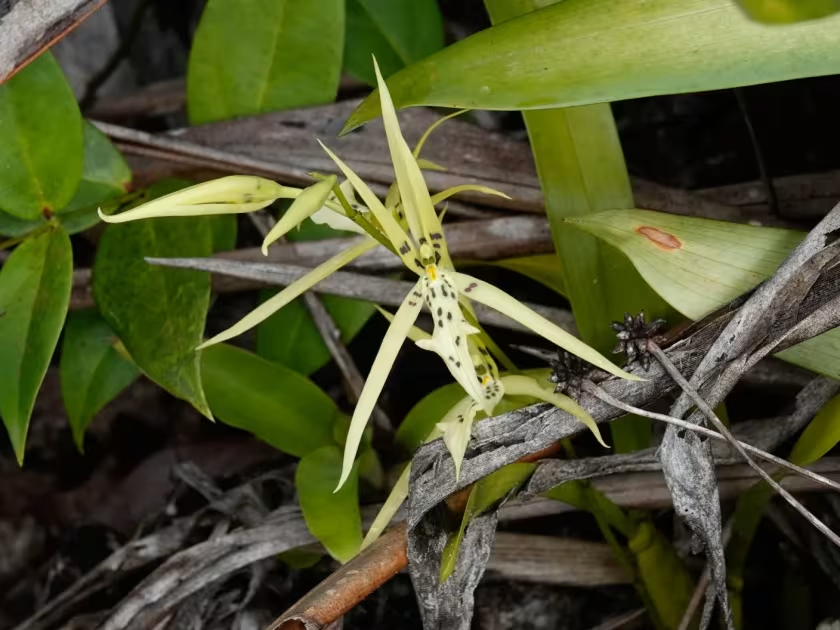
Description
Growing requirements
Brassia bidens is a unique species of epiphytic orchid belonging to the Orchidaceae family. Native to the tropical regions of Central and South America, this plant typically grows on tree trunks and branches, where it draws moisture and nutrients from the humid air and decomposing organic matter.
The plant is recognized by its sympodial growth habit and the formation of characteristic pseudobulbs. These structures serve as storage organs, allowing the orchid to survive periods of reduced rainfall. Its flowers are notably distinct, featuring long, spider-like sepals and petals.
To cultivate Brassia bidens successfully, one must replicate its natural tropical habitat. This requires moderate to bright indirect light, avoiding direct midday sun which can scorched the foliage. A temperature range between 18°C and 26°C is ideal for its development.
High relative humidity is essential for the health of this orchid. Growers often utilize humidity trays, misters, or automated humidification systems to keep air moisture levels consistent. Insufficient humidity usually results in stunted growth and shriveled pseudobulbs.
Proper air circulation is just as important as watering. A loose, well-draining potting medium, such as orchid bark mixed with perlite or sphagnum moss, is necessary to prevent root suffocation. The roots need oxygen to remain healthy and vibrant.
Main diseases and pests
The most common pests affecting Brassia bidens are scale insects and spider mites. These pests thrive in dry conditions and can quickly colonize the undersides of the leaves, causing tissue damage and nutrient depletion.
Fungal and bacterial infections are primarily caused by poor air movement and overwatering. When moisture remains trapped around the root system for too long, it invites pathogens that rot the roots and base of the pseudobulbs.
Maintenance is key to avoiding these threats. Regularly wiping the leaves with a damp cloth helps remove dust and identify pests in their early stages. If an infestation occurs, targeted horticultural oils or systemic insecticides should be applied.
To manage fungal issues, it is essential to allow the potting substrate to dry slightly between waterings. Removing dead or diseased roots during repotting is also a vital practice for maintaining the longevity of the plant.
Environmental stress can also mimic pest damage. Fluctuating temperatures or the use of harsh, chemically treated tap water can lead to yellowing leaves and brown spots, often mistaken for diseases. Always use filtered or rainwater for optimal results.