
Brassia
Brassia hybrids
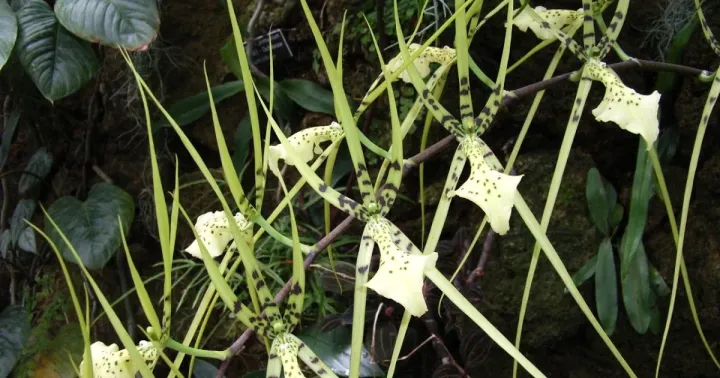
Description
Growing requirements
Brassia is a genus of orchids belonging to the Orchidaceae family, widely recognized for their unique flower shape. These orchids are native to the tropical forests of Central and South America, where they grow as epiphytes on tree trunks and branches.
The botanical structure of Brassia includes sympodial growth with prominent pseudobulbs that store water and nutrients. The flowers are distinctive for their elongated, spidery petals and sepals, a morphology that has earned the genus the common name of "spider orchid."
Successful cultivation requires environmental conditions that mimic their natural habitat. They thrive in bright, filtered light and perform best in temperatures between 20°C and 25°C. Providing a diurnal temperature drop is often beneficial for stimulating blooming cycles.
The choice of potting medium is vital for these orchids. A mixture consisting primarily of pine bark, perlite, and charcoal is recommended to ensure optimal aeration and drainage for the roots. Compact soil should be avoided, as it leads to root asphyxiation.
Commercially, Brassia hybrids are prized for their decorative value in both pot culture and the cut flower industry. Breeding programs continue to focus on creating hybrids that are more adaptable to indoor home environments and possess longer-lasting blooms.
Main diseases and pests
Common pests affecting Brassia orchids include spider mites and scale insects, which are particularly prevalent in low-humidity environments. Regular inspection and the application of horticultural oils or insecticidal soap are essential for maintaining plant health.
Root rot and crown rot represent the most significant threats to plant survival. These issues are typically caused by excessive watering or poor ventilation. Management involves strictly monitoring moisture levels and ensuring the growing medium dries sufficiently between waterings.