
Bastardia
Bastardia
Bastardia is a genus of flowering plants belonging to the Malvaceae family. Native primarily to the tropical and subtropical regions of the Americas, it is known for its resilience in warm environments and its distinct botanical profile.
What the section contains

Bastardia
The plant thrives in well-drained, sandy-loam soils. It prefers soils with a neutral pH level and requires good aeration in the root zone to prevent fungal development. Compacted soils are unsuitable and lead to significant growth suppression.
In terms of climate requirements, Bastardia demands high solar radiation and consistent warmth. It is highly sensitive to frost, which makes it an annual crop in temperate regions or a greenhouse-managed species for industrial or experimental purposes.
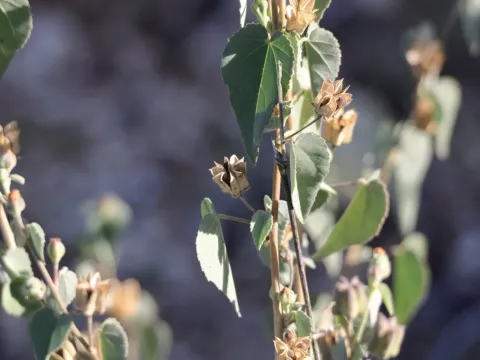
Botanically, plants in the genus Bastardia are characterized by their glandular, sticky pubescence covering stems and leaves. The leaves are typically cordate, and the flowers are small, usually appearing in yellow, orange, or reddish hues common to the mallow family.
Cultivation practices focus on maximizing biomass production. Regular irrigation is necessary during the establishment phase, while established plants show moderate tolerance to sporadic water deficits, making them adaptable to semi-arid tropical zones.
Pest management is a critical aspect of Bastardia cultivation. The most common threats include aphids, spider mites, and various species of whiteflies that target the underside of the leaves, drawing sap and weakening the plant structure.
Fungal pathogens such as leaf spot and powdery mildew are prevalent when humidity levels remain consistently high or when foliage does not dry properly between watering events. Effective field management involves maintaining adequate spacing to ensure airflow throughout the canopy.