
Bastardia elegans
Bastardia elegans
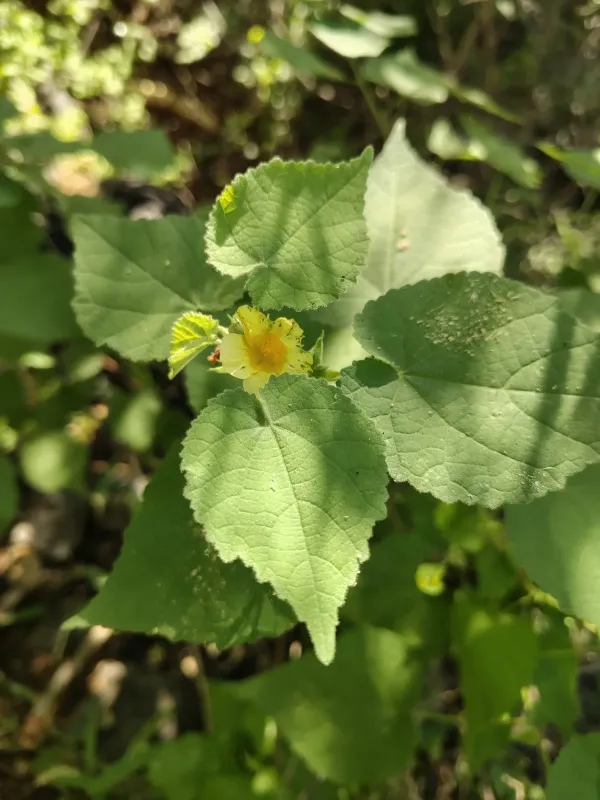
Description
Sowing dates
Bastardia elegans is a heat-loving perennial plant, which makes its sowing timing strictly dependent on the absence of any risk of late frosts.
In tropical and subtropical regions, seeds are sown directly into open soil immediately after the start of the rainy season.
To ensure uniform germination, the soil must be well warmed, with an optimal temperature range for seed sprouting of at least 20-25 degrees Celsius.
When using the seedling method, sowing is carried out 6–8 weeks before the intended planting date in the field, providing the young plants with intense light.
Once the first true leaves appear, thinning is essential to prevent competition between young plants for available nutrients and space.
Growing requirements
The culture belongs to the Malvaceae family and is native to tropical areas throughout Central and South America.
The plant prefers sunny sites with well-draining soils, as stagnant moisture in the root zone can lead to the development of fungal infections.
Bastardia elegans demonstrates moderate resistance to short-term drought periods, largely thanks to its deep root system.
The optimal soil pH level for successful cultivation is in the range of slightly acidic to neutral reactions (pH 6.0–7.0).
During the active vegetation period, the crop requires organic fertilizers rich in nitrogen and potassium to stimulate the growth of green biomass.
Yield
The economic use of Bastardia elegans is primarily associated with the production of high-quality plant fiber, which resembles flax in its technical characteristics.
Biomass yield depends directly on plant density and the timely application of fertilizers during the active stem-branching phase.
Under favorable climate conditions, the crop can provide multiple harvests in a single season, significantly increasing total productivity per unit area.
The seed productivity of the plant is high, allowing farmers to independently collect and prepare seeds for the next production cycle.
For industrial processing, stems harvested during the peak flowering phase are considered most valuable, as their cellulose content reaches its maximum.
Main diseases and pests
The main pests that affect Bastardia elegans are beetles and spider mites, particularly in conditions of low air humidity.
In damp weather, the plants may suffer from powdery mildew, which covers leaves with a characteristic white film and disrupts photosynthesis.
Root rot poses a danger only when irrigation practices are neglected, leading to the waterlogging of heavy clay-based substrates.
To prevent the spread of pests and diseases, it is recommended to practice crop rotation and remove weeds that may serve as intermediate hosts.
The use of biological insecticides and fungicides at the early stages of infestation allows for the effective protection of the yield.
Harvesting
The harvesting process is mainly carried out mechanically using specialized headers designed for handling fibrous plant materials.
The optimal time for harvesting stems is determined by the degree of lignification in the lower part of the plant and the color intensity of the seed pods.
After mowing, the biomass is left in the field to wilt, which reduces the moisture content of the stems and facilitates subsequent primary processing.
The primary processing stage includes soaking the fiber, which requires strict control over the duration to maintain the strength of the threads.
It is crucial to complete the harvest before the arrival of the intense rainy season to avoid the rotting of raw materials and ensure quality during drying.