
Bastardia bivalvis
Bastardia bivalvis
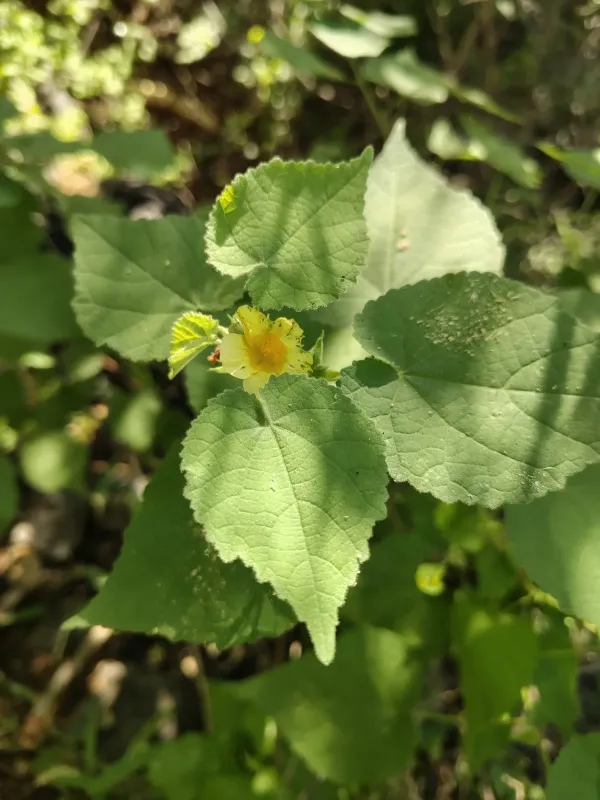
Description
Sowing dates
Bastardia bivalvis is a member of the Malvaceae family, characterized by its shrub-like growth habit and fibrous stalks. It is native to the tropical and subtropical regions of the Americas, where it has historically been utilized for its botanical properties and fiber potential.
The sowing process requires warm soil temperatures, ideally above 18 degrees Celsius. In cultivation, seeds are typically sown in early spring to allow the plants sufficient time to establish strong root systems before the heat of midsummer.
Proper seed preparation, including light scarification if the seed coat is particularly hard, can improve germination rates. Seeds should be sown at a shallow depth of approximately 1-2 centimeters in well-drained, fertile soil to ensure successful emergence.
Spacing is critical for this species; plants benefit from a distance of at least 50-60 centimeters between individuals. This ensures proper airflow, which reduces the incidence of fungal diseases and allows for uniform development of the canopy.
After sowing, maintaining consistent soil moisture is essential until the seedlings are firmly established. Once established, the plants demonstrate a moderate degree of resilience to environmental fluctuations, provided they receive sufficient sunlight.
Growing requirements
This crop thrives in full sun, requiring at least 6 to 8 hours of direct sunlight daily to reach its full development potential. Shaded environments often lead to leggy, weak plants with reduced fiber quality and lower biomass production.
Soil requirements focus on excellent drainage. While the plant can tolerate a variety of soil types, it performs best in sandy loam compositions that do not retain excess water, which could otherwise lead to root decay.
The ideal temperature range for Bastardia bivalvis is between 22 and 30 degrees Celsius. It is highly sensitive to frost, and temperatures consistently below 10 degrees will significantly inhibit growth and metabolic activity in the plant.
Nutrient management should be calibrated to support biomass growth. Initial nitrogen-rich fertilization is helpful for early development, whereas phosphorus and potassium applications are better suited during the pre-flowering stages to support structural development.
Watering strategies must be adapted to the growth stage. Young plants require more frequent irrigation, while mature plants can sustain brief dry spells. However, consistent moisture promotes the highest quality of plant material for any intended end-use.
Main diseases and pests
Common pests include aphids and whiteflies, which are particularly active during warmer months. These pests can cause significant damage by extracting sap from the foliage, often leading to the spread of secondary viral infections.
Spider mites can be a problematic pest in dry, high-temperature environments. Early intervention using targeted biological controls or soaps can prevent rapid population growth that might jeopardize the health of the entire crop stand.
Fungal pathogens such as root rot (Pythium) occur primarily when the soil remains too wet for extended periods. Improving soil aeration and implementing sound irrigation management are the most effective preventative measures against these soil-borne threats.
Powdery mildew may develop in areas with high humidity and poor air circulation. Regular pruning or thinning of the crop can create the necessary microclimate to inhibit fungal development and maintain healthy leaf tissue.
Effective crop protection relies on integrated management strategies. Regularly inspecting the underside of leaves for early signs of infestation and ensuring the overall health of the soil are fundamental to preventing long-term damage.