
Aulax
Aulax
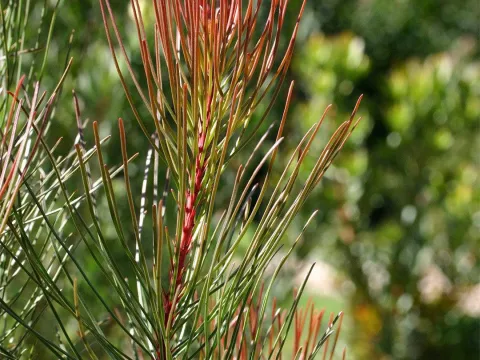
Aulax is a genus of evergreen shrubs belonging to the Proteaceae family. Native to the Cape Floristic Region of South Africa, these plants are highly specialized and adapted to the unique climatic conditions of their endemic environment.
What the section contains


Aulax
The climate requirements for Aulax are strictly Mediterranean, characterized by mild, wet winters and warm, dry summers. In agricultural settings, they are typically cultivated in controlled environments like greenhouses to prevent frost damage.
Soil conditions are a critical factor for success. They require well-drained, acidic, and nutrient-poor soils. The root systems, known as proteoid roots, are extremely sensitive to phosphorus and excess moisture, requiring precise substrate management.
Aulax thrives in full sun exposure. Adequate light intensity is essential not only for the vegetative growth but also for the initiation of inflorescences, making supplementary lighting necessary in regions with low solar radiation.
Agronomic practices focus on maintaining soil health and preventing root rot. Drip irrigation is the preferred method to deliver water efficiently while keeping the foliage dry, which significantly reduces the risk of fungal pathogens.
The primary threats to Aulax cultivation are fungal pathogens, particularly Phytophthora root rot, which is common in poorly drained substrates. Strict hygiene protocols and the use of healthy planting material are essential for disease prevention.
Insect pests such as scale insects and mites can pose significant challenges in greenhouse environments. These pests feed on the sap, weakening the plant and damaging the aesthetic quality of the foliage and flowers.
Nutrient toxicity, especially from excessive fertilization, is a major biological threat. Since Aulax is adapted to nutrient-deficient soils, standard fertilizer application rates used for other crops are often lethal to this genus.
Poor ventilation in enclosed growing areas leads to increased humidity, promoting botrytis infections on the inflorescences. Ensuring constant airflow through active ventilation systems is a standard procedure in commercial farms.
Weed management is equally important, as competing plants in the vicinity of Aulax can alter the soil nutrient balance and humidity levels. Manual weeding or the use of light mulching is generally recommended to preserve the root environment.
The commercial use of Aulax is primarily targeted at the premium floristry market. The plant is valued for its unique structural inflorescences that provide distinct texture and longevity to high-end floral arrangements.
Harvesting is performed manually during the cool hours of the day to maintain optimal water content. Operators use sharp, disinfected blades to minimize tissue damage, which is crucial for maximizing the vase life of the cut stems.
Post-harvest processing includes sorting stems by height and flower maturity. Consistent grading ensures that the product meets the specific requirements of international export standards and luxury retail demands.
Aulax is also highly regarded as a high-quality dried flower. By drying the stems in dark, climate-controlled environments, producers can create durable decorative elements that retain their shape and color for extended periods.
Sustainable harvesting practices are encouraged, allowing the shrubs to recover between cycles. Pruning not only facilitates the collection of cut flowers but also promotes the development of new, high-quality stems for future harvests.