
Angraecum viguieri
Angraecum viguieri
Description
Growing requirements
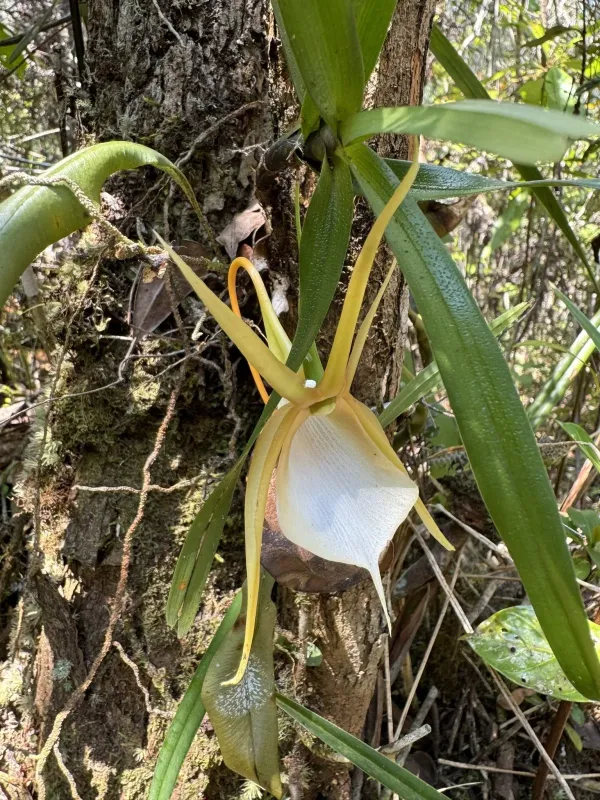
Angraecum viguieri is a rare epiphytic orchid species belonging to the family Orchidaceae. Native to the island of Madagascar, it primarily inhabits humid montane forests, growing on the trunks and branches of trees at significant elevations.
This crop requires a specialized microclimate characterized by high relative humidity, typically ranging between 70% and 85%. Due to its epiphytic nature, the plant is best grown in open-bottomed wooden baskets or mounted on cork bark to ensure maximum aeration for the root system.
The ideal temperature regime is moderately warm, with daytime temperatures between +22°C and +26°C, and a necessary drop of 5–7 degrees at night. This diurnal temperature fluctuation is critical for the plant's metabolic health and its ability to initiate flowering.
The planting medium should consist of high-quality fir bark, charcoal, and perlite, ensuring excellent drainage. It is imperative to avoid water stagnation, as the roots are highly susceptible to rot if they remain wet for extended periods without oxygen.
Light intensity should be bright and diffused. Direct sunlight must be avoided, as it can cause severe tissue necrosis on the leaves. In domestic conditions, providing 12–14 hours of consistent artificial light can supplement natural light during shorter winter months.
Main diseases and pests
Fungal pathogens and root rot are the primary threats to Angraecum viguieri. These are usually caused by overwatering or poor air circulation, which prevents the substrate from drying out between irrigation cycles.
Pest infestations, particularly by mealybugs and scale insects, can quickly weaken the plant. These insects hide in the tight leaf axils and along the pseudobulbs, making them difficult to detect until the plant's growth begins to decline significantly.
Spider mites are another common issue, especially if the environmental humidity drops below the recommended thresholds. Their activity leads to foliage chlorosis and loss of vigor, eventually reducing the plant's resilience to other stressors.
Thrips are also known to damage the flowers and developing buds by piercing the tissues to feed on cell sap. Management includes the use of selective insecticides and maintaining a clean, sanitary growing environment.
Nutrient toxicity, often resulting from excessive fertilization or the use of tap water with high mineral content, can cause "tip burn" on the roots. Using purified or rainwater is the standard agronomic practice to maintain healthy root tips.