
Angraecum scottianum
Angraecum scottianum
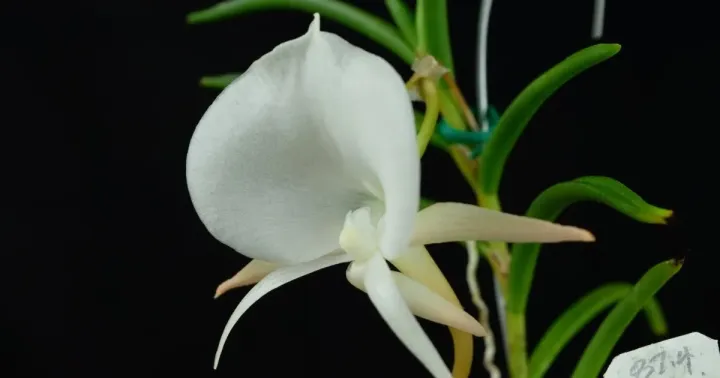
Description
Growing requirements
Angraecum scottianum is a remarkable epiphytic orchid species belonging to the Orchidaceae family. It is endemic to the Comoros archipelago, specifically Mayotte, where it thrives on tree branches within high-humidity tropical environments.
The plant is characterized by its unique morphology, featuring long, slender, cylindrical stems that resemble thin rods rather than traditional leafy growth. Its foliage is narrow and channelled, adapted for efficient water retention in its native habitats.
Successful cultivation requires bright, filtered light to mimic the dappled canopy of a rainforest. Direct exposure to intense midday sun must be avoided as it can scorch the stems, leading to severe tissue damage and dehydration.
Temperature management is crucial, with an ideal range of 20 to 25 degrees Celsius during the day, accompanied by a slight nocturnal temperature drop. This fluctuation is essential for the metabolic health and blooming cycles of the plant.
The potting medium must be coarse and highly porous, typically consisting of large-grade pine bark or inert volcanic rock. Proper drainage is mandatory to prevent root rot, as the roots require frequent moisture but cannot tolerate being permanently waterlogged.
Main diseases and pests
The most common agricultural threats to Angraecum scottianum include fungal pathogens that emerge in stagnant, overly humid conditions. Poor airflow is often the primary culprit behind the onset of bacterial rot, which spreads rapidly through the cylindrical stems.
Pest management should focus on monitoring for spider mites and scale insects, which often target the tender junctions between leaves and stems. Regular inspection and maintaining optimal environmental parameters are the best forms of prevention against pest outbreaks.