
Angraecum germinyanum
Angraecum germinyanum
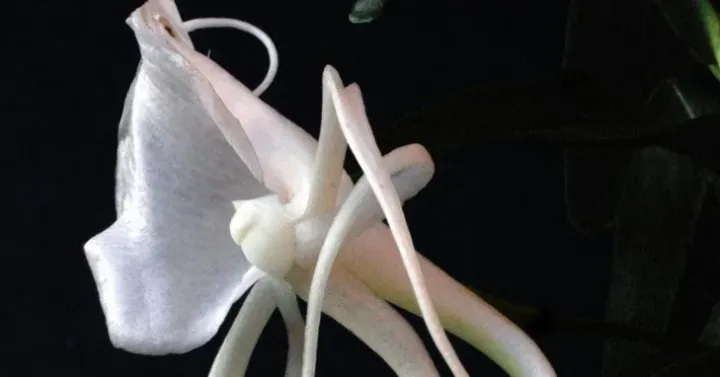
Description
Growing requirements
Angraecum germinyanum is a highly specialized species of epiphytic orchid belonging to the Orchidaceae family. Native to the humid rainforests of Madagascar, this plant thrives in ecological niches that provide constant high humidity and consistent tropical temperatures throughout the year.
The fundamental requirement for its cultivation is the substrate, which must mimic natural epiphytic conditions. Growers typically utilize high-quality pine bark, charcoal, and perlite mixtures. These components ensure optimal drainage and aeration, preventing the root suffocation that often occurs in conventional garden soil.
Climatic requirements involve maintaining a steady temperature range between 18 and 26 degrees Celsius. Sudden thermal fluctuations or exposure to cold drafts are detrimental to the development of the orchid, frequently causing leaf drop and weakening the entire root system.
Light management is crucial for the health of Angraecum germinyanum. The plant prefers bright, filtered light. Direct exposure to intense solar radiation can cause leaf tissue damage, whereas insufficient light leads to stunted growth and a failure to initiate the flowering cycle.
The agricultural technique involves precise watering protocols. Water must be applied to the substrate only when it is near drying, while simultaneously maintaining ambient humidity levels between 60% and 80% to support the aerial roots' hydration needs.
Main diseases and pests
The primary threats to this orchid include fungal pathogens and bacterial soft rot, which are triggered by poor air circulation and excessive standing water within the growing medium or leaf axils. Immediate drainage is essential for plant survival.
Insect pests such as spider mites and scale insects are the most common adversaries in indoor or greenhouse cultivation. They thrive in dry, stagnant environments, necessitating consistent monitoring of the foliage and root zones for early signs of infestation.
Proactive management of these threats involves frequent air exchange and the use of insecticidal soaps or systemic treatments when pests are identified. Maintaining proper hygiene, including the sterilization of tools, is critical to prevent the spread of infections.
Nutrient toxicity can also manifest as a threat to the plant's health. The accumulation of mineral salts from hard water or over-fertilization can burn delicate root tips. Periodic flushing of the substrate with pure, deionized water helps prevent this buildup.
Overall plant resilience is improved through a balanced nutrient regimen, utilizing fertilizers specific to orchids that provide necessary micronutrients without overloading the substrate with excessive nitrogen or calcium.