
Angraecum distichum
Angraecum distichum
Description
Growing requirements
Angraecum distichum is a fascinating species belonging to the Orchidaceae family, native to the tropical forests of Western and Central Africa. As an epiphytic plant, it naturally thrives on tree trunks, deriving moisture and nutrients from the humid tropical atmosphere and decaying organic matter on the bark.
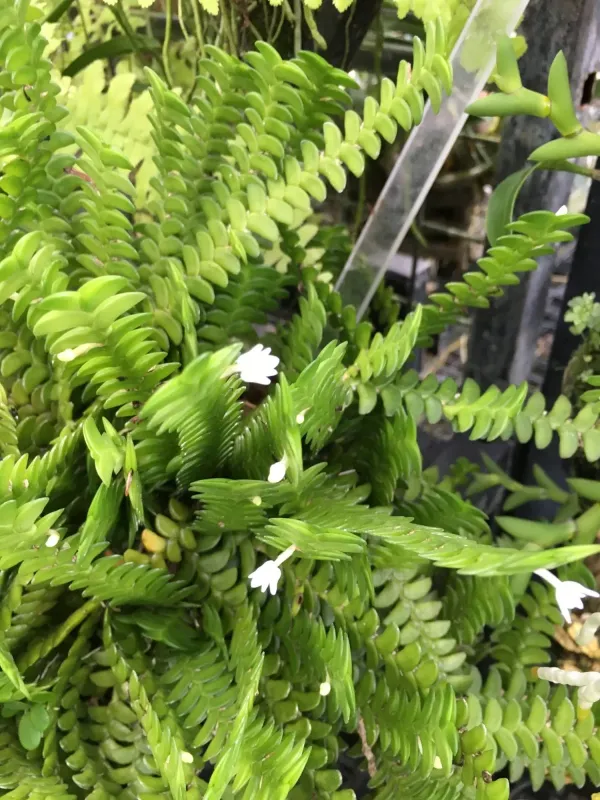
Botanically, this species is defined by its distinctive distichous (two-ranked) leaf arrangement along a slender stem, giving it a unique fan-like appearance. The small, white, star-shaped flowers possess a pleasant fragrance, particularly noticeable during the evening hours, which serves to attract nocturnal pollinators.
Successful cultivation requires a stable environment mimicking the tropical canopy, with high relative humidity levels and consistent air movement. The plant prefers temperatures ranging between 18°C and 25°C, ensuring that it is protected from extreme cold or scorching heat throughout the year.
Lighting should be bright but filtered; intense direct sunlight can damage the thick leaves, leading to dehydration and necrosis. Providing a dappled light effect helps the plant photosynthesize effectively without suffering from environmental stress or overheating during peak daylight hours.
The substrate must be highly aerated, as the roots require significant oxygen and should never remain waterlogged. Mounting the plant on cork bark or using a loose mix of fir bark and charcoal is the standard agricultural practice to ensure optimal drainage and prevent root suffocation.
Main diseases and pests
The primary threats to this orchid include fungal and bacterial rot, which are often consequences of overwatering or inadequate ventilation. If the roots are kept in a soggy environment, they will lose their ability to function, leading to rapid deterioration of the entire plant structure.
Pests such as spider mites, scale insects, and mealybugs can pose a serious challenge, especially in indoor environments with low humidity. These pests thrive in dry air and can quickly infest the tight leaf axils of the plant, making manual control measures quite difficult.
Effective management involves maintaining high humidity levels to discourage mite populations and performing regular inspections of the stems. If a pest infestation is detected, immediate treatment with horticultural oils or approved systemic insecticides is necessary to stop the spread to other collections.
Nutrient toxicity, caused by the buildup of mineral salts from hard water or excessive fertilization, is another physiological threat. It is essential to flush the root zone occasionally with pure water and avoid high-concentration synthetic fertilizers during the dormant stage.
Winter care requires careful adjustments, as lower light levels demand a reduction in watering frequency. Failing to adapt to seasonal changes can lead to the "stretching" of the plant or susceptibility to opportunistic diseases during the slower growth phase of the year.