
Angraecum magdalenae
Angraecum magdalenae
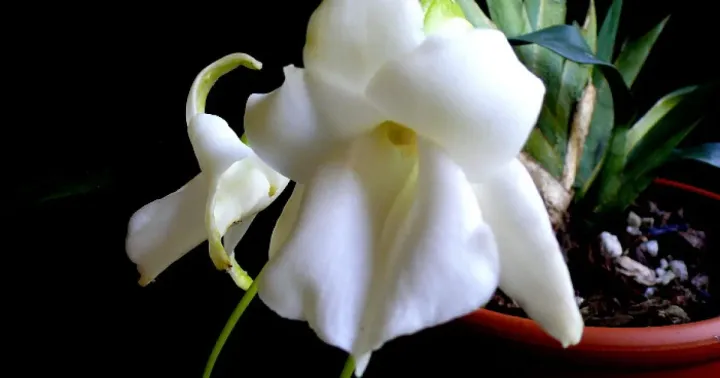
Description
Growing requirements
Angraecum magdalenae is a highly valued species within the Orchidaceae family, native to the high-altitude rocky regions of Madagascar. It is typically found growing as an epiphyte or lithophyte in nature.
Successful cultivation requires a stable environment with moderate temperatures. It thrives when daytime temperatures range between 20–25°C, while nighttime drops to 12–15°C are essential for triggering flowering cycles.
The substrate must be highly porous to ensure rapid drainage and airflow around the roots. Growers typically use a mixture of medium-grade conifer bark, charcoal, and volcanic rock or lava stone.
Bright, indirect light is necessary for healthy growth. While the plant appreciates high light levels, direct sunlight during the peak of the day should be filtered to prevent leaf scorching.
Watering frequency should be adjusted based on the season. During the active growth phase, the plant needs consistent moisture, whereas in winter, it should be kept slightly drier to prevent root rot.
Main diseases and pests
The primary threats to this orchid include fungal and bacterial infections, often caused by inadequate air circulation and prolonged moisture in the leaf axils.
Pests such as mealybugs and spider mites are common concerns. They tend to settle on the undersides of leaves or deep within the crown, causing stunted growth and tissue damage.
Integrated pest management involves regular visual inspections and the immediate use of specialized acaricides or horticultural oils when a moderate infestation is detected.
To prevent disease, it is crucial to ensure that the plant dries off completely after each watering. Stagnant water is the leading cause of crown rot in this specific cultivar.
Maintaining high humidity (above 60%) is beneficial, but it must be balanced with strong air movement to prevent the development of mold and other surface pathogens on the root system.