
Angraecum striatum
Angraecum striatum
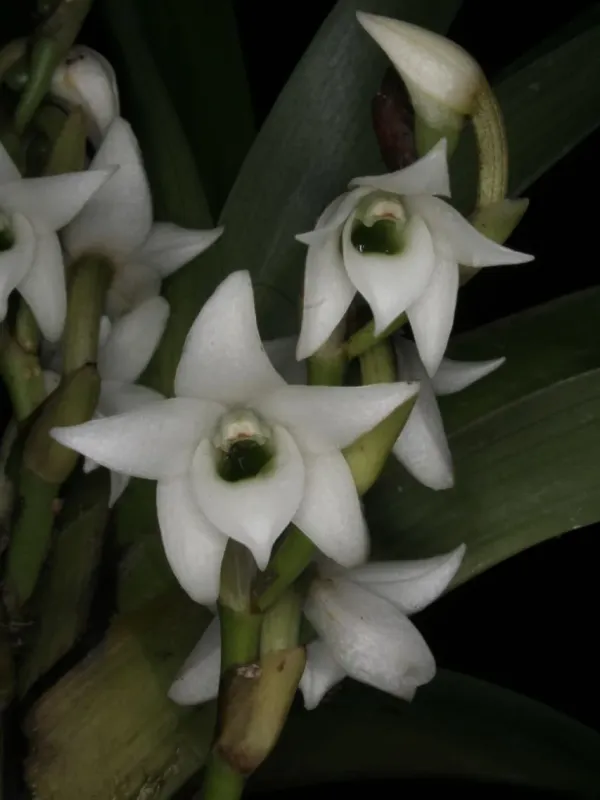
Description
Growing requirements
Angraecum striatum is a species of epiphytic orchid belonging to the Orchidaceae family. Native to the mountainous forests of Reunion Island, this plant is known for its distinct botanical structure and delicate aesthetic appeal.
The cultivation of this species requires a specific environment that mimics its natural montane habitat. It prefers cool to intermediate temperatures, ideally ranging between 15°C and 22°C, to ensure stable physiological development.
For optimal growth, a well-draining epiphytic substrate is essential, typically composed of pine bark, perlite, and dried sphagnum moss. This combination allows for proper aeration of the roots while maintaining a consistent moisture balance.
Light management is crucial, as the plant thrives in bright, diffused light rather than direct sun exposure. In greenhouse conditions, the use of shading cloths is advised to prevent leaf scorching and to manage the intensity of light effectively.
This orchid is primarily used in ornamental horticulture and private botanical collections. Due to its status as a rare species, it is highly sought after by enthusiasts who specialize in maintaining specific climatic conditions for sensitive tropical plants.
Main diseases and pests
The primary pests affecting Angraecum striatum include mealybugs, spider mites, and scale insects. These organisms can quickly compromise the health of the plant by feeding on the sap of the leaves and pseudobulbs.
Root rot and crown rot represent the most significant threats to this orchid, often resulting from overwatering or inadequate air movement. Implementing a strict irrigation schedule and ensuring good airflow are critical prevention strategies against pathogens.