
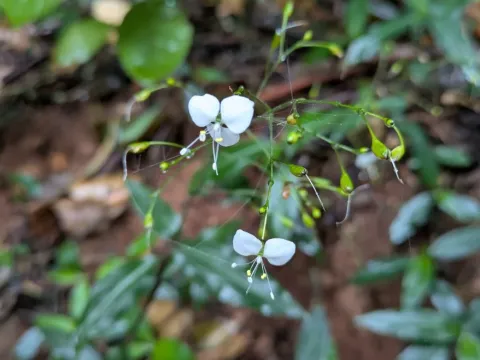
Aneilema
Aneilema
Aneilema seeds are sown in the spring when temperatures consistently range between 18 and 20 degrees Celsius. Using a greenhouse or indoor seedling setup is highly recommended for higher germination rates.
What the section contains
 Aneilema aequinoctiale
Aneilema aequinoctiale
Aneilema aequinoctiale
 Aneilema beniniense
Aneilema beniniense
Aneilema beniniense
 Aneilema lanceolatum
Aneilema paludosum
Aneilema paludosum
Aneilema lanceolatum
Aneilema lanceolatum
Aneilema paludosum
Aneilema paludosum
 Aneilema pomeridianum
Aneilema sinicum
Aneilema sinicum
Aneilema pomeridianum
Aneilema pomeridianum
Aneilema sinicum
Aneilema sinicum
 Aneilema umbrosum
Aneilema umbrosum
Aneilema umbrosum
 Aneilema versicolor
Aneilema vitiense
Aneilema vitiense
Aneilema versicolor
Aneilema versicolor
Aneilema vitiense
Aneilema vitiense
Aneilema
Seeds should be covered with only a thin layer of substrate, as light is often a requirement for successful germination. Keeping the growing medium constantly moist is vital during this sensitive stage.
Once seedlings develop two true leaves, they should be pricked out into individual pots. This practice promotes a strong root system, which is necessary for the plant to thrive when moved outdoors.
Transplanting into open ground must be delayed until all risks of late spring frosts have passed. The plant is particularly susceptible to cold shock during its early developmental stages.
The germination process typically spans 10 to 14 days. During this time, the soil must be kept damp, but a careful balance is needed to avoid waterlogging that could harm the seeds.
As a member of the Commelinaceae family, Aneilema requires specific environmental conditions. It performs best in loose, well-draining soil that is rich in organic matter and slightly acidic or neutral in pH.
The plant prefers partial shade or dappled light conditions. Exposure to harsh, direct midday sun can result in leaf scorching and rapid moisture loss from the plant's tissues.
Adding compost or well-rotted manure to the planting area ensures that the plant has access to essential nutrients throughout its growing season. Proper soil aeration is key to preventing root rot.
Consistent watering is required to maintain soil moisture, but overwatering must be avoided. Good drainage is essential, as the roots are highly sensitive to standing water.
Regular fertilization with a balanced, water-soluble fertilizer helps support vigorous growth. Nitrogen-rich feeds should be prioritized during the vegetative stage to encourage lush foliage.
The main pests that affect Aneilema are spider mites and aphids, which thrive in humid, enclosed, or overcrowded environments. These pests feed on sap, weakening the plant.
Fungal diseases, including powdery mildew and various root rots, are common risks. These are often triggered by excessive humidity and poor air circulation around the plants.
Biological control agents are effective in managing pest populations without the need for harsh chemicals. Keeping the garden area clean and free of weeds also helps minimize pest pressure.
Preventive maintenance includes cleaning all tools after use and ensuring proper spacing between plants to improve airflow. Removing any infected foliage early can save the rest of the plant.
Regular visual inspections are the best defense. Checking the undersides of leaves allows for early detection of pest colonies before they become a major infestation.
Harvesting Aneilema is typically done for research purposes or for decorative displays. It is best conducted in the early morning to ensure the plant tissue is well-hydrated.
For ornamental purposes, stems should be cut using sterilized shears. Regular harvesting of spent blooms can actually encourage the plant to produce more flowers throughout the season.
Seed collection requires waiting until the seed capsules show signs of maturity and discoloration. This ensures that the seeds have developed sufficiently for future propagation.
After collection, the plant material must be dried in a shaded, well-ventilated area to prevent decay. Proper drying is crucial if the material is meant for long-term storage.
Following the harvest, trimming the plant back to its base can help stimulate new, healthy growth for the next season and keep the plant compact.